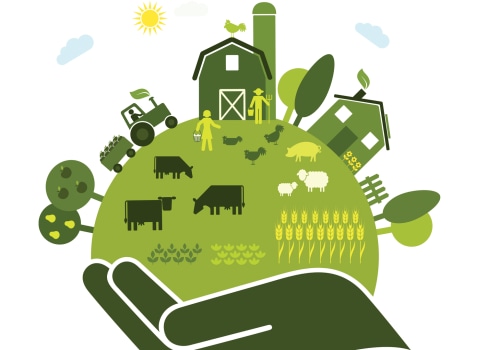
Sustainable farm systems represent a holistic approach to agriculture that prioritizes environmental health, economic viability, and social equity. At its core, the definition of sustainable farm systems encompasses practices that not only meet the needs of the present but also ensure that future generations can thrive. This concept is increasingly vital as we face challenges such as climate change, resource depletion, and food security. What are sustainable farm systems? They are agricultural practices designed to maintain productivity while minimizing negative impacts on the environment. These systems often incorporate techniques such as crop rotation, agroforestry, and organic farming, which enhance biodiversity and soil health.
By focusing on sustainable agriculture, farmers can create resilient ecosystems that support both their livelihoods and the planet. The importance of sustainable farm systems cannot be overstated. They serve as a framework for addressing pressing global issues like soil erosion, water scarcity, and greenhouse gas emissions. By adopting these practices, farmers contribute to a more sustainable food system that benefits not only their communities but also the broader ecosystem. In this way, sustainable farm systems are not just a trend; they are a necessary evolution in how we approach agriculture in an increasingly complex world.
Key Principles of Sustainable Farm Systems
The concept of sustainable farm systems is built upon several key principles that ensure the long-term viability of agricultural practices while safeguarding the environment and supporting local communities.Understanding these principles is essential for anyone interested in sustainable agriculture.
- Environmental Health: Sustainable farm systems prioritize the health of ecosystems. This includes maintaining soil fertility, conserving water, and promoting biodiversity. Practices such as crop rotation, cover cropping, and integrated pest management are employed to enhance soil structure and reduce chemical inputs.
- Economic Profitability: For a farm system to be sustainable, it must also be economically viable. This means that farmers should be able to generate a profit while implementing sustainable practices.
Diversifying crops, utilizing value-added products, and engaging in direct-to-consumer sales can help improve economic resilience.
- Social Equity: Sustainable agriculture is not just about the environment and economy; it also encompasses social dimensions. This principle emphasizes fair labor practices, community engagement, and access to healthy food for all. Ensuring that farming practices benefit local communities fosters a more equitable food system.
- Holistic Management: A key element of sustainable farm systems is the integration of various components of farming into a cohesive whole. This involves considering the interactions between crops, livestock, soil, and water resources to create a balanced ecosystem that supports productivity without depleting resources.
As awareness of these issues grows, more farmers are adopting sustainable practices that not only benefit their operations but also contribute positively to the planet and society.
Benefits of Sustainable Farm Systems
Adopting sustainable farm systems offers a multitude of benefits that extend beyond mere agricultural practices. These systems are designed to be environmentally friendly, economically viable, and socially responsible, making them a compelling choice for farmers and consumers alike.Ecological Benefits
One of the primary advantages of sustainable farming is its positive impact on the environment. By utilizing practices such as crop rotation, cover cropping, and organic farming, sustainable farm systems help to:- Enhance soil health: Sustainable practices improve soil structure and fertility, leading to better crop yields over time.
- Reduce chemical usage: These systems minimize reliance on synthetic fertilizers and pesticides, which can harm ecosystems.
- Conserve water: Efficient irrigation techniques and rainwater harvesting reduce water waste and promote responsible usage.
- Support biodiversity: Sustainable farms often create habitats for various species, contributing to a balanced ecosystem.
Economic Advantages
Sustainable farm systems also present significant economic benefits. Farmers who adopt these practices can experience:- Cost savings: Reduced input costs from lower chemical use and improved soil health can lead to higher profit margins.
- Market opportunities: There is a growing demand for organic and sustainably produced goods, allowing farmers to tap into premium markets.
- Resilience to climate change: Sustainable practices can make farms more resilient to extreme weather events, ensuring long-term viability.
Social Impacts
The social implications of sustainable farm systems are equally important.These systems promote:
- Community engagement: Sustainable farming often involves local communities in decision-making processes, fostering a sense of ownership and responsibility.
- Healthier food options: By focusing on organic methods, sustainable farms provide healthier food choices that benefit public health.
- Education and awareness: Sustainable agriculture encourages knowledge sharing about environmental stewardship and responsible consumption.
Challenges Facing Sustainable Farm Systems
Implementing sustainable farm systems is not without its challenges. Farmers often encounter a variety of obstacles that can hinder their ability to adopt and maintain sustainable practices. Understanding these challenges is crucial for developing effective strategies to overcome them. One of the primary issues in sustainable agriculture is the economic barrier.Many farmers face high initial costs associated with transitioning to sustainable practices, such as organic certification, purchasing new equipment, or investing in soil health improvements. These upfront expenses can be daunting, especially for small-scale farmers who operate on tight margins. Additionally, market access poses a significant challenge. Sustainable products often require a different marketing approach, and farmers may struggle to find buyers willing to pay a premium for sustainably produced goods. This lack of market demand can discourage farmers from pursuing sustainable methods. Another critical obstacle is the knowledge gap.
Many farmers may not have access to the latest research or training on sustainable practices. Without proper education and resources, they may be hesitant to adopt new techniques that could improve their sustainability. Furthermore, climate change presents an ongoing challenge for sustainable farm systems. Unpredictable weather patterns can disrupt planting and harvesting schedules, making it difficult for farmers to implement long-term sustainable strategies effectively. Lastly, policy and regulatory frameworks can either support or hinder sustainable farming efforts. Inconsistent regulations or lack of government incentives for sustainable practices can create uncertainty and discourage farmers from making the necessary changes. In summary, while the benefits of sustainable farm systems are clear, the challenges are equally significant.
Addressing these obstacles requires a concerted effort from farmers, policymakers, and consumers alike to create an environment where sustainable agriculture can thrive.
Examples of Sustainable Farm Systems in Practice
Understanding sustainable farm systems is greatly enhanced by examining real-world examples that illustrate their effectiveness and adaptability. Here are some notable case studies that showcase successful implementations of sustainable farming practices.- Polyface Farm, Virginia: This farm, managed by Joel Salatin, is a prime example of a sustainable farm system. It employs rotational grazing techniques that enhance soil health and biodiversity. By moving livestock frequently, the farm mimics natural ecosystems, which helps in nutrient cycling and reduces the need for chemical fertilizers.
- Rodale Institute, Pennsylvania: Known for its pioneering research in organic farming, the Rodale Institute has developed a model of sustainable agriculture that emphasizes regenerative practices.
Their studies demonstrate that organic farming can yield comparable or even higher outputs than conventional methods while improving soil health and reducing environmental impact.
- Earthbound Farm, California: As one of the largest organic farms in the U.S., Earthbound Farm utilizes sustainable practices such as cover cropping and integrated pest management. These methods not only promote biodiversity but also help in maintaining soil fertility and reducing reliance on synthetic inputs.
Future Trends in Sustainable Farm Systems
The future of sustainable farm systems is poised for significant transformation as innovations and trends emerge to address the challenges of climate change, food security, and environmental degradation.Farmers and researchers are increasingly adopting practices that not only enhance productivity but also promote ecological balance.
Emerging Technologies
One of the most promising trends in sustainable agriculture is the integration of technology. Precision agriculture, which utilizes data analytics, GPS, and IoT devices, allows farmers to optimize resource use. This technology helps in:- Reducing waste: By applying fertilizers and water only where needed, farmers can minimize excess runoff and conserve resources.
- Enhancing crop yields: Data-driven insights enable farmers to make informed decisions about planting times and crop rotations.
Regenerative Practices
Another key trend is the shift towards regenerative farming. This approach focuses on restoring soil health, increasing biodiversity, and improving ecosystem services.Techniques such as cover cropping, agroforestry, and holistic grazing are gaining traction as they:
- Sequester carbon: By enhancing soil organic matter, these practices help mitigate climate change.
- Improve resilience: Diverse farming systems are better equipped to withstand pests, diseases, and extreme weather events.
Circular Economy in Agriculture
The concept of a circular economy is also influencing sustainable farm systems. This model emphasizes minimizing waste and maximizing resource efficiency. Farmers are exploring ways to:- Utilize by-products: Waste from one process can serve as input for another, reducing overall waste.
- Implement local supply chains: Shortening supply chains not only reduces carbon footprints but also supports local economies.
FAQs About Sustainable Farm Systems
Understanding sustainable farm systems can be complex, leading to various questions and misconceptions.Here are some frequently asked questions that clarify what sustainable farming truly entails.
What are the key principles of sustainable farm systems?
The core principles of sustainable farm systems include:- Environmental health: Practices that protect and enhance the environment, such as crop rotation and organic farming.
- Economic viability: Ensuring that farming operations are profitable while maintaining ecological balance.
- Social equity: Supporting fair labor practices and community engagement in agricultural processes.
Are sustainable farm systems more expensive?
While initial investments in sustainable farm systems may be higher due to organic inputs or technology, they often lead to long-term savings. By improving soil health and reducing dependency on chemical inputs, farmers can lower costs over time.Do sustainable farms produce less food?
This is a common misconception. Many studies show that sustainable farm systems, when managed properly, can produce yields comparable to conventional farming. Techniques like agroecology and permaculture can enhance productivity while maintaining ecological integrity.How do sustainable farm systems impact biodiversity?
Sustainable farm systems are designed to promote biodiversity.By incorporating diverse crops and livestock, these systems create habitats for various species, contributing to a healthier ecosystem. This diversity also helps in pest management and soil fertility.