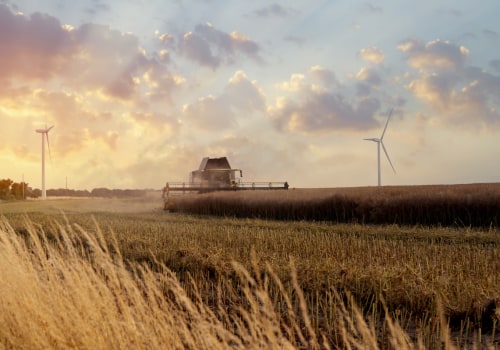
Sustainable farm systems represent a transformative approach to agriculture that prioritizes ecological balance, economic viability, and social equity. At its core, sustainable farming seeks to meet the needs of the present without compromising the ability of future generations to meet their own needs. This holistic method encompasses a variety of practices designed to enhance soil health, conserve water, and promote biodiversity, all while ensuring that farming remains profitable and communities thrive. The definition of sustainable agriculture extends beyond mere environmental stewardship; it also emphasizes the importance of animal welfare. In sustainable farm systems, animals are not just seen as production units but as integral components of the ecosystem.
This perspective fosters practices that allow animals to express natural behaviors, live in humane conditions, and contribute positively to the farm's overall health. Moreover, the benefits of sustainable agriculture are manifold. By implementing practices such as rotational grazing, integrated pest management, and organic farming techniques, farmers can create a resilient agricultural system that supports both animal welfare and environmental sustainability. These systems not only improve the quality of life for farm animals but also enhance the nutritional value of food products and reduce the ecological footprint of farming activities. As we delve deeper into how these systems support animal welfare, it becomes clear that sustainable practices are essential for fostering a more ethical and responsible agricultural landscape.
Key Principles of Sustainable Farming
Sustainable farm systems are built on a foundation of key principles that not only enhance agricultural productivity but also promote animal welfare.Understanding these principles is essential for recognizing how they interconnect with the well-being of livestock.
- Biodiversity: A core principle of sustainable farming is the promotion of biodiversity. By cultivating a variety of crops and maintaining diverse animal species, farmers can create a more resilient ecosystem. This diversity helps to prevent disease outbreaks and reduces the need for chemical interventions, which can negatively impact animal health.
- Soil Health: Healthy soil is vital for sustainable agriculture practices. Practices such as crop rotation, cover cropping, and reduced tillage enhance soil structure and fertility.
Healthy soils lead to nutritious forage and feed for animals, directly impacting their growth and overall health.
- Resource Conservation: Sustainable farm systems prioritize the efficient use of resources, including water and energy. Implementing practices like rainwater harvesting and renewable energy sources not only conserves resources but also creates a healthier environment for animals. Less pollution and better air quality contribute to improved animal welfare.
- Animal Husbandry Practices: Sustainable farming emphasizes humane treatment of animals. This includes providing adequate space, proper nutrition, and access to outdoor environments.
Such practices not only enhance the quality of life for animals but also improve product quality for consumers.
The Connection Between Sustainable Practices and Animal Welfare
Sustainable farm systems are designed to create a harmonious balance between agricultural practices and the welfare of farm animals. By prioritizing sustainable practices, farmers can significantly enhance the living conditions and overall health of their livestock.One of the key aspects of sustainable farming is the emphasis on natural habitats. Unlike conventional farming, which often confines animals to cramped spaces, sustainable systems promote free-range environments.This allows animals to engage in natural behaviors such as grazing, foraging, and socializing, which are essential for their mental and physical well-being.Moreover, sustainable practices often include:
- Organic feed: Providing animals with organic feed free from synthetic additives contributes to their health and reduces the risk of disease.
- Rotational grazing: This method not only improves soil health but also ensures that animals have access to fresh pastures, which enhances their diet and reduces stress.
- Access to clean water: Sustainable farms prioritize clean water sources, which are crucial for hydration and overall animal health.
- Veterinary care: Regular health checks and preventive care are integral to sustainable systems, ensuring that any health issues are addressed promptly.
Case Studies: Successful Sustainable Farm Systems
Real-world examples of sustainable farm systems illustrate how these practices can enhance animal welfare while promoting environmental health.Here are a few notable case studies:
1.Polyface Farm, Virginia
Polyface Farm, operated by Joel Salatin, is a prime example of a sustainable farm system that prioritizes animal welfare. The farm employs rotational grazing techniques, allowing livestock to graze on fresh pastures regularly. This method not only improves soil health but also ensures that animals have access to a natural diet and ample space to roam, reducing stress and promoting overall well-being.2.White Oak Pastures, Georgia
White Oak Pastures is another exemplary model of sustainable farming. This farm integrates multiple species in its operations, including cattle, sheep, and poultry.By practicing integrated farming, the farm enhances biodiversity and creates a balanced ecosystem. The animals are raised on pasture without the use of antibiotics or hormones, which contributes to their health and welfare.
3.The Rodale Institute, Pennsylvania
The Rodale Institute focuses on organic farming practices that support animal welfare through regenerative agriculture. Their research demonstrates that animals raised in sustainable systems experience lower stress levels and better health outcomes compared to those in conventional systems. The institute's commitment to holistic management practices ensures that animals are treated humanely while contributing to soil regeneration.4.The Farm at Walnut Creek, Ohio
This farm emphasizes the importance of animal welfare by providing spacious enclosures and natural habitats for its animals.By allowing animals to express natural behaviors, such as foraging and socializing, the farm enhances their quality of life. The use of sustainable practices like composting and crop rotation further supports the health of both the animals and the environment.These case studies highlight that sustainable farm systems not only benefit the environment but also significantly improve animal welfare through humane treatment, natural living conditions, and integrated farming practices. By adopting these methods, farmers can create a more ethical and sustainable food system.
Challenges in Implementing Sustainable Farm Systems
Transitioning to sustainable farm systems presents a variety of challenges that can significantly impact animal welfare. Understanding these barriers is crucial for farmers aiming to adopt more humane and environmentally friendly practices.One of the primary challenges is the financial burden associated with implementing sustainable practices.Many farmers face high initial costs for organic feed, improved housing, and pasture management systems. This financial strain can lead to compromises in animal welfare if farmers are unable to invest adequately in their livestock's needs.Additionally, knowledge gaps can hinder the transition to sustainable farming. Farmers may lack access to information or training on best practices for animal care within sustainable systems. Without proper education, they might struggle to implement effective welfare standards, leading to inadequate living conditions for animals.
Market pressures
also play a significant role.In a competitive agricultural landscape, farmers may prioritize short-term profits over long-term sustainability and animal welfare. This can result in practices that, while economically beneficial in the short run, are detrimental to the health and well-being of animals.Moreover, regulatory challenges can complicate the adoption of sustainable practices. Farmers often navigate a complex web of regulations that may not fully support innovative animal welfare initiatives. This can create confusion and discourage farmers from pursuing sustainable methods that could enhance animal care.Lastly, climate change poses an ongoing threat to sustainable farming efforts.
Extreme weather events can disrupt farming operations and affect the availability of resources necessary for maintaining animal welfare standards. Farmers must adapt to these changes while ensuring their animals remain healthy and well-cared for.In summary, while sustainable farm systems offer numerous benefits for animal welfare, the challenges associated with their implementation cannot be overlooked. Addressing these barriers is essential for creating a more humane agricultural landscape.
Future Trends in Sustainable Farming and Animal Welfare
As we look towards the future of sustainable agriculture, several emerging trends and innovations are poised to significantly enhance animal welfare within sustainable farm systems. These advancements not only aim to improve the quality of life for farm animals but also align with consumer demand for ethically produced food.1.Precision Livestock Farming
- Precision livestock farming utilizes technology such as sensors, drones, and data analytics to monitor animal health and behavior in real-time.
This allows farmers to identify issues early, ensuring that animals receive timely care and reducing stress.
- By analyzing data on feeding patterns, movement, and health metrics, farmers can tailor their management practices to meet the specific needs of each animal, promoting better welfare outcomes.
2.Regenerative Agriculture Practices
- Regenerative agriculture focuses on restoring soil health and biodiversity, which indirectly benefits animal welfare. Healthier ecosystems support a diverse range of forage and habitat options for livestock, allowing them to express natural behaviors.
- This holistic approach not only enhances animal well-being but also contributes to the overall sustainability of the farm system.
3.Integrated Crop-Livestock Systems
- Integrating crop and livestock production can lead to improved animal welfare by providing animals with access to pasture and natural forage. This system mimics natural ecosystems, allowing animals to graze freely and engage in instinctual behaviors.
- Moreover, this integration can reduce feed costs and improve nutrient cycling on the farm, making it a win-win for both animals and farmers.
4.Consumer Awareness and Demand
- The growing consumer awareness regarding animal welfare is driving farmers to adopt more humane practices. Certifications and labels that emphasize ethical treatment are becoming increasingly popular, encouraging farmers to invest in better living conditions for their animals.
- This trend not only supports animal welfare but also enhances marketability and profitability for sustainable farms.
By embracing technology, regenerative practices, integrated systems, and responding to consumer demands, sustainable farm systems can create a more humane environment for livestock while contributing positively to the ecosystem.
FAQs About Sustainable Farm Systems and Animal Welfare
As interest in sustainable farm systems grows, many people have questions about how these practices affect animal welfare. Below are some frequently asked questions that clarify the relationship between sustainable farming and the well-being of animals.What are sustainable farm systems?
Sustainable farm systems are agricultural practices designed to be environmentally friendly, economically viable, and socially responsible. They focus on maintaining ecological balance, reducing chemical inputs, and promoting biodiversity, which can significantly enhance the living conditions of farm animals.How do sustainable farming practices improve animal welfare?
- Access to pasture: Many sustainable farms prioritize pasture-based systems, allowing animals to roam freely and engage in natural behaviors.
- Reduced stress: Sustainable practices often lead to lower stocking densities, which can reduce stress and aggression among animals.
- Healthier diets: Animals raised in sustainable systems typically receive a more natural diet, contributing to better overall health and well-being.
Are there misconceptions about animal welfare in sustainable agriculture?
Yes, several misconceptions exist:- Myth: All organic farms guarantee high animal welfare standards.
Fact: While many organic farms do prioritize animal welfare, not all adhere to the same standards.It's essential to research individual farms.
- Myth: Sustainable farming is only about environmental benefits.
Fact: Animal welfare is a core component of sustainability, as healthy animals contribute to a balanced ecosystem.
Conclusion: The Importance of Sustainable Farm Systems for Animal Welfare
In conclusion, the relationship between sustainable farm systems and animal welfare is both profound and essential. Throughout this article, we have explored how these systems prioritize the well-being of animals while promoting environmental health and economic viability. By implementing practices such as rotational grazing, integrated pest management, and organic feed, sustainable farms create an environment where animals can thrive. These methods not only enhance the quality of life for livestock but also contribute to the overall sustainability of agricultural practices.Key Takeaways
- Sustainable farm systems foster natural behaviors in animals, allowing them to express instincts that are often suppressed in conventional farming.
- These systems reduce stress levels among animals by providing adequate space, social interaction, and access to outdoor environments.
- Healthier animals lead to better productivity, which benefits farmers economically while ensuring ethical treatment.
- By focusing on biodiversity and ecosystem health, sustainable farms contribute to a balanced environment that supports both animal welfare and agricultural resilience.
As consumers become more aware of animal welfare issues, the demand for ethically produced food continues to rise. Farmers who embrace these practices not only meet this demand but also play a crucial role in shaping a more humane and sustainable food system. Ultimately, the integration of sustainable farm systems into mainstream agriculture is vital for ensuring that animal welfare remains a priority. By committing to these practices, we can create a future where animals are treated with respect and dignity, contributing to a healthier planet for generations to come.