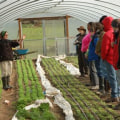
Sustainable farm systems represent a holistic approach to agriculture that prioritizes environmental health, economic viability, and social equity. At its core, sustainable farming seeks to meet the needs of the present without compromising the ability of future generations to meet their own needs. This is achieved through practices that enhance biodiversity, conserve resources, and promote soil health, all while ensuring that farmers can maintain a profitable livelihood. The definition of sustainable farming encompasses a variety of techniques and philosophies, including organic farming, agroecology, and permaculture. These methods not only focus on reducing the use of synthetic chemicals and fertilizers but also emphasize the importance of local ecosystems and community involvement.
By integrating these principles, sustainable farm systems can create a resilient agricultural landscape that supports both farmers and the communities they serve. One of the most significant benefits of sustainable agriculture is its potential to drive rural development. By fostering local food systems and encouraging small-scale farming, these practices can create jobs and stimulate local economies. Furthermore, sustainable farm systems often lead to improved food security and healthier communities, as they prioritize fresh, locally sourced produce over industrialized food supply chains. As we delve deeper into the impact of sustainable farming on rural development and job creation, it becomes clear that these systems are not just beneficial for the environment but are also vital for the socio-economic fabric of rural areas.
Economic Impact of Sustainable Farm Systems on Rural Communities
Sustainable farm systems play a pivotal role in enhancing the local economy of rural communities.By prioritizing environmentally friendly practices, these systems not only promote ecological balance but also create significant economic opportunities. One of the most direct economic benefits of sustainable farming is job creation. Unlike conventional farming methods that often rely on mechanization, sustainable farms typically require more labor to manage diverse crops and livestock. This increased demand for labor translates into more job opportunities for local residents, which can help reduce unemployment rates in rural areas. Moreover, sustainable farm systems often support local businesses. When farmers adopt practices such as direct marketing through farmers' markets or community-supported agriculture (CSA) programs, they keep more money within the community.
This not only benefits the farmers but also stimulates local economies by encouraging residents to shop at nearby stores and restaurants that source their ingredients locally.
- Enhanced Food Security: Sustainable farming contributes to food security by promoting local food systems. By growing food locally, communities can reduce their reliance on imported goods, which can be subject to price fluctuations and supply chain disruptions.
- Diverse Income Streams: Farmers engaged in sustainable practices often diversify their crops and products, which can lead to multiple income streams. This diversification helps stabilize farm income and reduces vulnerability to market changes.
Job Creation Through Sustainable Agriculture Practices
Sustainable farm systems are not only beneficial for the environment but also play a crucial role in job creation within rural communities.By adopting practices that prioritize ecological balance, these systems generate a variety of employment opportunities across multiple sectors.
Direct Employment in Farming
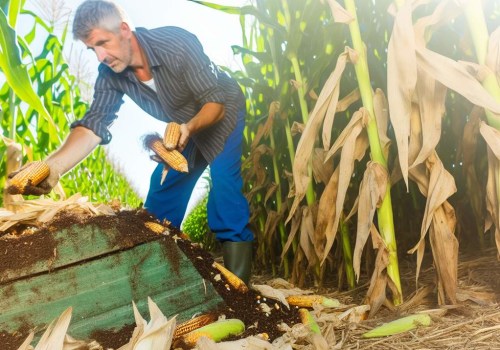
- Sustainable farming often requires more labor-intensive methods compared to conventional agriculture. This increased labor demand leads to the creation of more jobs on farms, from planting and harvesting to managing crops sustainably.
- Farmers who implement sustainable practices may also need to hire specialists, such as agronomists and soil scientists, further expanding job opportunities.
Processing and Distribution Jobs
- The rise of sustainable agriculture has led to an increase in local processing facilities that focus on organic and sustainably sourced products. These facilities create jobs in food processing, packaging, and quality control.
- Additionally, as demand for sustainable products grows, there is a corresponding need for distribution networks that can efficiently deliver these goods to consumers, creating logistics and transportation jobs.
Workforce Development Initiatives
- Sustainable farm systems often encourage the establishment of training programs aimed at equipping the local workforce with the skills necessary for modern agricultural practices. These initiatives not only enhance employability but also foster a culture of innovation within rural areas.
- By investing in education and training related to sustainable agriculture, communities can ensure that their workforce is prepared for future challenges and opportunities in the agricultural sector.
This multifaceted approach not only supports economic growth but also strengthens community resilience.
Environmental Benefits of Sustainable Farm Systems
Sustainable farm systems play a crucial role in enhancing the environmental health of rural areas, which in turn supports long-term agricultural productivity and community well-being. One of the primary benefits of these systems is their positive impact on soil health. By employing practices such as crop rotation, cover cropping, and reduced tillage, sustainable farms can significantly improve soil structure and fertility. Healthy soils are better at retaining moisture and nutrients, which leads to increased crop yields and reduced dependency on chemical fertilizers.Moreover, sustainable farming practices contribute to biodiversity in agriculture.By integrating diverse crops and livestock into their systems, farmers can create a more resilient ecosystem. This diversity not only helps in pest management but also supports a wider range of wildlife, including pollinators that are essential for many crops. The presence of various species can enhance ecosystem services, such as natural pest control and nutrient cycling, which are vital for maintaining agricultural productivity.Additionally, sustainable farm systems often incorporate agroecological principles that promote the conservation of local flora and fauna. This approach not only protects endangered species but also fosters a more balanced ecosystem that can adapt to changing environmental conditions.
As a result, these systems contribute to the overall environmental sustainability of rural areas.In summary, the environmental benefits of sustainable farm systems extend beyond immediate agricultural outcomes. By improving soil health and promoting biodiversity, these systems create a foundation for sustainable rural development that can lead to job creation and economic stability in farming communities.
Social Implications of Sustainable Farming on Rural Development
Sustainable farm systems play a pivotal role in enhancing the social fabric of rural communities. By prioritizing environmentally friendly practices, these systems not only contribute to ecological health but also foster a sense of community engagement and improve the overall quality of life.Community Engagement in Farming
- Local Involvement: Sustainable farming encourages local participation through community-supported agriculture (CSA) programs, where residents can buy shares of the harvest. This model strengthens ties between farmers and consumers, creating a sense of ownership and responsibility.
- Educational Opportunities: Many sustainable farms offer workshops and educational programs that teach sustainable practices, nutrition, and cooking skills.
These initiatives empower community members with knowledge and skills that can be applied in their daily lives.
- Volunteer Programs: Farms often host volunteer days, allowing community members to engage directly with the land. This hands-on experience fosters a deeper appreciation for agriculture and promotes teamwork among participants.
Improving Rural Quality of Life
- Access to Fresh Produce: Sustainable farm systems provide local access to fresh, organic produce, which enhances the nutritional quality of food available in rural areas. This access can lead to improved health outcomes for residents.
- Economic Stability: By creating jobs in farming, processing, and distribution, sustainable agriculture contributes to economic resilience in rural communities. These jobs often pay fair wages and support local economies.
- Cultural Preservation: Sustainable farming practices often incorporate traditional agricultural methods, helping to preserve local culture and heritage.
This connection to the past can strengthen community identity and pride.
Challenges Facing Sustainable Farm Systems in Rural Areas
Sustainable farm systems are increasingly recognized for their potential to enhance rural development and create jobs. However, they face several significant challenges that can hinder their effectiveness and viability.Economic Viability
One of the primary challenges is the economic viability of sustainable practices.Farmers often encounter higher initial costs associated with transitioning to sustainable methods, such as organic farming or agroecology. These costs can include investments in new technologies, training, and certification processes. Without adequate financial support or incentives, many farmers may struggle to adopt these practices.
Access to Resources
Access to essential resources is another barrier. Sustainable farm systems require access to quality seeds, organic fertilizers, and water management systems.In rural areas, infrastructure may be lacking, making it difficult for farmers to obtain these resources. Additionally, limited access to markets can restrict their ability to sell sustainably produced goods at competitive prices.
Knowledge and Education
The lack of knowledge and education about sustainable practices can also pose a challenge. Many farmers may not be aware of the benefits of sustainable agriculture or how to implement these practices effectively. Educational programs and extension services are crucial in providing the necessary training and support.Policy and Regulation
Furthermore, policy and regulatory frameworks can either support or hinder sustainable farming initiatives.In some cases, existing agricultural policies may favor conventional farming methods, making it difficult for sustainable systems to thrive. Advocacy for policy changes that promote sustainability is essential for overcoming these barriers.In conclusion, while sustainable farm systems hold great promise for rural development and job creation, addressing these challenges is vital. By focusing on economic viability, resource access, education, and supportive policies, stakeholders can help create an environment where sustainable agriculture can flourish.
Case Studies: Successful Sustainable Farm Systems in Rural Development
Across the globe, numerous sustainable farm systems have emerged as beacons of hope for rural development, showcasing how agriculture can drive economic growth while preserving the environment. Here are a few notable case studies that illustrate the positive impact of these systems.1.The Rodale Institute, Pennsylvania
The Rodale Institute has been a pioneer in organic farming research since 1947. Their regenerative agriculture practices not only improve soil health but also create job opportunities in rural areas.By training local farmers in sustainable techniques, they have helped increase crop yields and profitability, leading to a revitalization of the local economy.
2.The Greenhorns, California
This grassroots organization supports young farmers through education and community-building initiatives. Their focus on sustainable farm systems has led to the establishment of numerous small-scale farms that prioritize ecological practices. As a result, they have created jobs and fostered a sense of community among new farmers, contributing to rural resilience.3.Fair Trade Coffee Cooperatives, Central America
In countries like Guatemala and Honduras, coffee cooperatives that adhere to sustainable farming practices have transformed local economies. By ensuring fair wages and promoting environmentally friendly methods, these cooperatives not only enhance the livelihoods of farmers but also attract tourism and investment in rural areas.4.The Land Institute, Kansas
The Land Institute focuses on developing perennial grain crops that require less input and are more resilient to climate change.Their research has led to innovative farming practices that support biodiversity and soil health while creating jobs in research, education, and farming sectors.These case studies exemplify how sustainable farm systems can serve as catalysts for rural development. By fostering economic growth, creating jobs, and promoting environmental stewardship, these initiatives demonstrate the potential of agriculture to transform communities.
Future Trends in Sustainable Farming and Rural Development
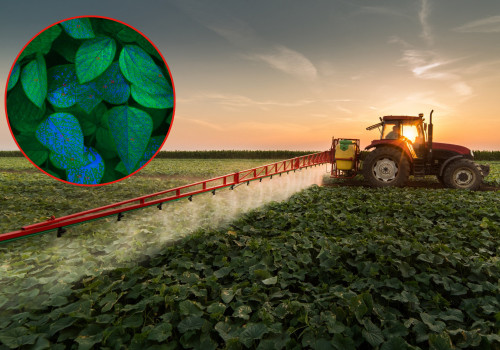
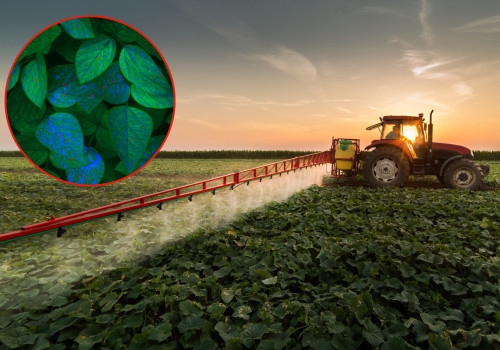
The future of sustainable farm systems is poised to play a pivotal role in enhancing rural development and job creation. As the global population continues to grow, the demand for food will increase, necessitating innovative approaches to agriculture that prioritize sustainability.One of the most promising trends in sustainable agriculture is the integration of technology. Precision farming, which utilizes data analytics and IoT devices, allows farmers to optimize resource use, reduce waste, and increase crop yields.This not only boosts productivity but also creates new job opportunities in tech support and data management within rural communities.Additionally, the rise of regenerative agriculture practices is gaining traction. These methods focus on restoring soil health and biodiversity, which can lead to more resilient farming systems. By adopting these practices, farmers can improve their land's productivity while also contributing to environmental conservation. This shift can stimulate local economies by attracting eco-conscious consumers and businesses.
- Agroecology: This holistic approach combines traditional farming knowledge with modern science to create sustainable farming systems that are tailored to local conditions.
- Vertical Farming: As urban areas expand, vertical farming offers a solution by allowing food production in urban settings, reducing transportation costs and creating jobs in city environments.
- Community Supported Agriculture (CSA): CSAs foster direct relationships between farmers and consumers, promoting local economies and providing fresh produce while creating jobs in distribution and marketing.
Incentives for adopting green technologies and practices can encourage farmers to transition towards more sustainable methods. This not only benefits the environment but also enhances rural job markets by fostering new industries related to sustainability.In conclusion, the future of sustainable farming is bright, with numerous trends and innovations on the horizon that promise to bolster rural development and create jobs. By embracing these changes, communities can thrive economically while ensuring a healthier planet for future generations.