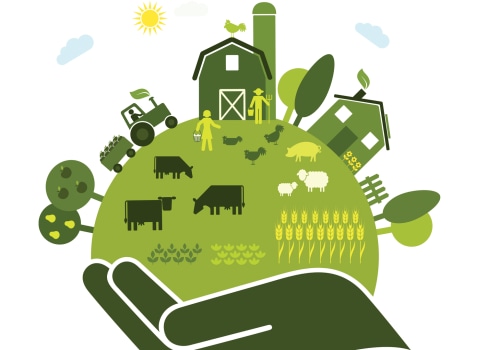
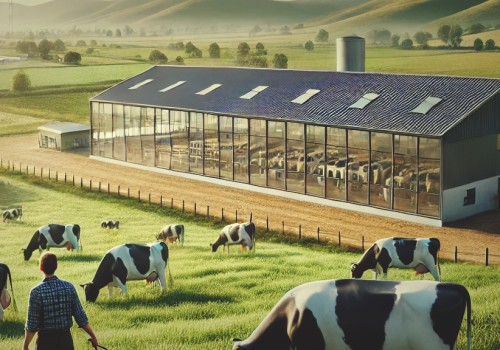
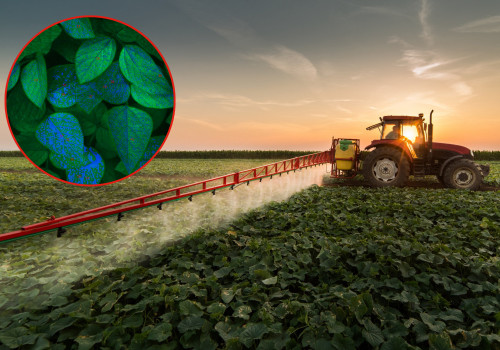
In recent years, the concept of sustainable farm systems has gained significant traction as a vital approach to modern agriculture. At its core, sustainable farming refers to agricultural practices that meet current food and textile needs without compromising the ability of future generations to meet their own needs. This holistic approach encompasses not only environmental stewardship but also economic viability and social equity, making it a comprehensive framework for addressing the challenges faced by the agricultural sector today. The importance of sustainability in agriculture cannot be overstated. As the global population continues to rise, the demand for food increases, putting immense pressure on natural resources.
Sustainable farm systems aim to balance productivity with ecological health, ensuring that farming practices do not deplete soil, water, and biodiversity. By integrating techniques such as crop rotation, organic farming, and agroforestry, these systems promote resilience against climate change while enhancing food security. Moreover, sustainable farming practices contribute to the overall health of ecosystems and communities. They foster a connection between farmers and consumers, encouraging local food systems that support regional economies. As we delve deeper into the role of education and training in promoting these sustainable practices, it becomes clear that knowledge transfer is essential for empowering farmers to adopt innovative methods that align with sustainability goals.
The Importance of Education in Sustainable Farming
Education plays a pivotal role in the advancement of sustainable farm systems, equipping farmers with the knowledge and skills necessary to implement environmentally friendly practices.As the agricultural landscape evolves, it is essential for farmers to stay informed about innovative techniques that promote sustainability.
Benefits of Agricultural Education
extend beyond individual farmers; they ripple through communities and ecosystems. By understanding the principles of sustainable farming, such as crop rotation, organic farming, and integrated pest management, farmers can enhance soil health, reduce chemical usage, and improve biodiversity. This not only leads to healthier crops but also contributes to the overall resilience of the agricultural system.Moreover, education fosters a sense of responsibility among farmers towards their land and resources. Programs that focus on education in sustainable farming encourage practices that minimize waste and promote conservation.For instance, workshops and training sessions can teach farmers how to utilize renewable energy sources or implement water-saving irrigation techniques.
The Role of Education in Sustainability
is particularly crucial for future generations. By integrating sustainability into educational curricula, we can inspire young people to pursue careers in agriculture with a strong emphasis on environmental stewardship. Schools and universities that offer specialized programs in sustainable agriculture prepare students to tackle the challenges posed by climate change and food security.In conclusion, investing in education and training is vital for promoting sustainable farm systems. It empowers farmers with the tools they need to make informed decisions that benefit both their livelihoods and the planet.As we look towards a more sustainable future, prioritizing agricultural education will be key to ensuring that farming practices evolve in harmony with ecological principles.
Training Programs for Sustainable Agriculture
Training programs for sustainable agriculture play a crucial role in equipping farmers with the knowledge and skills necessary to implement sustainable farm systems. These programs are designed to address the unique challenges faced by farmers today, including climate change, soil degradation, and the need for efficient resource management.Various types of training programs are available, catering to different learning preferences and needs:- Workshops: Hands-on workshops provide farmers with practical experience in sustainable practices. These sessions often cover topics such as organic farming techniques, crop rotation, and integrated pest management. Local agricultural extension offices frequently organize these workshops, making them accessible to a wide audience.
- Online Courses: With the rise of digital learning, many organizations offer online courses focused on sustainable agriculture.
These courses allow farmers to learn at their own pace and cover a range of subjects from soil health to agroecology. Platforms like Coursera and edX host courses developed by universities and agricultural experts.
- Community Initiatives: Local community programs often focus on building networks among farmers. These initiatives may include peer-to-peer learning groups where farmers share their experiences and best practices in sustainable farming. Such collaborations can foster innovation and support within the farming community.
This includes access to funding for implementing new technologies or practices that promote sustainability.Ultimately, the success of sustainable agriculture training lies in its ability to empower farmers with the tools they need to make informed decisions that benefit both their operations and the environment. By participating in these training programs, farmers can contribute to a more resilient agricultural system that prioritizes sustainability for future generations.
Case Studies: Successful Education and Training Initiatives
Education and training play a pivotal role in the advancement of sustainable farm systems. Numerous case studies illustrate how targeted initiatives can lead to significant improvements in agricultural practices, environmental stewardship, and community resilience.1.The Rodale Institute's Organic Farming Research
- The Rodale Institute, based in Pennsylvania, has been at the forefront of organic farming education since the 1940s. Their research and training programs focus on regenerative agriculture techniques that enhance soil health and biodiversity.
- Through hands-on workshops and field days, farmers learn about cover cropping, crop rotation, and integrated pest management, which are essential components of sustainable farm systems.
- As a result, many participants have reported increased yields and reduced input costs, demonstrating the effectiveness of their educational approach.
2.The Sustainable Agriculture Research and Education (SARE) Program
- SARE is a nationwide initiative that funds research and education projects aimed at promoting sustainable farming practices.
One notable project involved training farmers in agroecological practices that reduce reliance on chemical inputs.
- Farmers who participated in SARE-funded workshops implemented practices such as composting and agroforestry, leading to improved soil quality and enhanced ecosystem services.
- The program has documented numerous success stories where farmers transitioned to more sustainable methods, resulting in both economic benefits and environmental improvements.
3.The University of California's Sustainable Agriculture Education Program
- This program offers a comprehensive curriculum that covers various aspects of sustainable agriculture, including water conservation, organic farming techniques, and pest management.
- By collaborating with local farmers, the program tailors its training to meet specific regional challenges, ensuring relevance and applicability.
- Success stories from participants highlight increased profitability and reduced environmental impact, showcasing the program's effectiveness in fostering sustainable farm systems.
Challenges in Implementing Education and Training for Sustainability
Implementing education and training programs for sustainable farm systems faces several significant challenges that can hinder their effectiveness and reach. Understanding these obstacles is crucial for developing strategies to overcome them.- Financial Constraints: Many farmers, especially those operating on a small scale, often lack the financial resources to invest in training programs. The costs associated with attending workshops, purchasing educational materials, or implementing new practices can be prohibitive.
Additionally, funding for educational initiatives may be limited, leading to fewer opportunities for farmers to engage in sustainability training.
- Logistical Issues: Accessibility is another major barrier. In rural areas, transportation can be a significant challenge, making it difficult for farmers to attend training sessions or workshops. Furthermore, the timing of these programs may not align with farmers' busy schedules, particularly during planting and harvest seasons.
- Cultural Resistance: There can also be a cultural reluctance to adopt new practices. Many farmers are accustomed to traditional methods and may be skeptical about the benefits of sustainable farming.
This resistance can stem from a lack of trust in new information or a fear of change that could impact their livelihoods.
- Knowledge Gaps: A lack of awareness about the importance of sustainability in agriculture can impede participation in training programs. Farmers may not fully understand how sustainable farm systems can enhance productivity and profitability, leading to disinterest in educational opportunities.
Future Trends in Education and Training for Sustainable Farming
The future of agricultural education is poised for significant transformation as the demand for sustainable farm systems continues to grow. Emerging trends in education and training are increasingly focusing on integrating technology, sustainability practices, and hands-on learning experiences.Innovations in Farm Education
- Online Learning Platforms: The rise of online courses and webinars allows farmers and agricultural students to access expert knowledge from anywhere in the world.
This flexibility enables learners to engage with cutting-edge sustainable practices without the constraints of traditional classroom settings.
- Virtual Reality (VR) and Augmented Reality (AR): These technologies are being utilized to create immersive training experiences. For instance, VR can simulate farm environments where learners can practice sustainable farming techniques in a risk-free setting.
- Data-Driven Decision Making: The integration of big data analytics into agricultural education is helping future farmers understand how to optimize their operations sustainably. Training programs are increasingly incorporating data management tools that allow for better resource allocation and environmental stewardship.
Trends in Sustainable Farming Training
- Collaborative Learning: Partnerships between universities, agricultural organizations, and local farms are fostering collaborative learning environments. These partnerships provide students with real-world experience while promoting community engagement in sustainable practices.
- Focus on Agroecology: Educational programs are shifting towards agroecological principles, emphasizing the importance of biodiversity, soil health, and ecosystem services.
This holistic approach prepares students to tackle complex agricultural challenges sustainably.
- Emphasis on Policy and Advocacy: As sustainability becomes a critical issue, training programs are increasingly incorporating policy education. Understanding agricultural policies helps future farmers advocate for sustainable practices at local, state, and national levels.
FAQs about Education and Sustainable Farm Systems
Education and training play a crucial role in the development and implementation of sustainable farm systems. Here are some frequently asked questions that clarify their importance:- What types of education are available for sustainable farming?
Various educational programs exist, including formal degrees in agricultural science, workshops, online courses, and community-based training initiatives.These programs often cover topics such as organic farming practices, soil health management, and integrated pest management.
- How does training improve farm sustainability?
Training equips farmers with the knowledge and skills necessary to adopt sustainable practices. This includes understanding crop rotation, water conservation techniques, and biodiversity enhancement, which can lead to improved yields and reduced environmental impact. - Are there misconceptions about sustainable farming education?
Yes, one common misconception is that sustainable farming is only for large-scale operations. In reality, education in sustainable farm systems is beneficial for farms of all sizes. Additionally, some believe that sustainable practices are too costly; however, many training programs emphasize cost-effective methods that can lead to long-term savings. - Can education help in policy advocacy for sustainable agriculture?
Absolutely! Educated farmers are better equipped to engage in policy discussions and advocate for practices that support sustainability.Training programs often include components on how to communicate effectively with policymakers and the public about the benefits of sustainable farming.
Conclusion: The Path Forward for Sustainable Farm Systems through Education and Training
In conclusion, the journey towards sustainable farm systems is intricately linked to the effectiveness of education and training initiatives. As we have explored, these systems are not merely a trend but a necessity for ensuring food security, environmental health, and economic viability in agriculture. Education serves as the foundation for understanding the principles of sustainability. It empowers farmers with knowledge about ecological practices, resource management, and innovative technologies that can enhance productivity while minimizing environmental impact. Training programs tailored to local contexts can equip farmers with practical skills, enabling them to implement sustainable practices effectively. Moreover, the role of education extends beyond individual farmers.It fosters a community-wide understanding of sustainability, encouraging collaboration and shared learning among stakeholders. This collective approach can lead to the development of agricultural policies that support sustainable practices at a larger scale. To further advance sustainable farm systems, it is essential to:
- Invest in Continuous Learning: Ongoing education ensures that farmers stay updated on the latest sustainable practices and technologies.
- Promote Research and Development: Encouraging research in sustainable agriculture can lead to innovative solutions tailored to specific regional challenges.
- Enhance Accessibility: Making educational resources available to all farmers, regardless of their background or location, is crucial for widespread adoption.