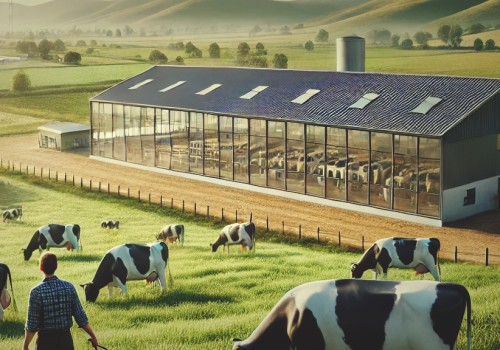
Sustainable farm systems represent a holistic approach to agriculture that prioritizes environmental health, economic viability, and social equity. At its core, sustainable farming seeks to produce food in a way that meets current needs without compromising the ability of future generations to meet their own. This concept encompasses a variety of practices and principles designed to enhance productivity while minimizing negative impacts on the ecosystem. There are several types of sustainable farming methods, each tailored to specific environmental conditions and community needs. For instance, organic farming emphasizes the use of natural inputs and processes, avoiding synthetic chemicals and genetically modified organisms.
Agroecology, on the other hand, integrates ecological principles into agricultural practices, promoting biodiversity and resilience within farming systems. Additionally, permaculture focuses on creating self-sustaining agricultural ecosystems that mimic natural processes. Understanding these diverse sustainable farm systems is crucial for recognizing their role in enhancing food security. By adopting practices that improve soil health, conserve water, and reduce reliance on fossil fuels, these systems not only produce food but also contribute to the overall stability of food supplies in the face of climate change and population growth. As we delve deeper into this topic, it becomes clear that sustainable farming is not just a trend; it is a necessary evolution in our approach to agriculture that holds the key to a more secure food future.
The Link Between Sustainable Farming and Food Security
The relationship between sustainable farm systems and food security is profound and multifaceted.Sustainable farming practices not only enhance agricultural productivity but also ensure that food systems are resilient, equitable, and environmentally sound. By focusing on methods that preserve natural resources, these systems contribute significantly to the availability and accessibility of food.One of the primary ways sustainable farming enhances food security is through improved soil health. Practices such as crop rotation, cover cropping, and reduced tillage help maintain soil fertility and structure. Healthy soils lead to higher crop yields, which directly translates to increased food availability.
Moreover, sustainable practices reduce dependency on chemical fertilizers and pesticides, minimizing environmental degradation and promoting biodiversity.Additionally, sustainable agriculture fosters resilience against climate change. By implementing agroecological practices, farmers can adapt to changing weather patterns and extreme conditions. For instance, diversifying crops can mitigate the risks associated with crop failure due to pests or adverse weather. This adaptability ensures a more stable food supply, crucial for communities facing food insecurity.Furthermore, sustainable farm systems often prioritize local food production.
By reducing the distance food travels from farm to table, these systems not only lower carbon footprints but also enhance food accessibility for local populations. Community-supported agriculture (CSA) initiatives exemplify this approach by connecting consumers directly with local farmers, ensuring fresh produce is available while supporting local economies.In summary, the integration of sustainable farming practices plays a vital role in enhancing food security. By improving soil health, fostering resilience to climate change, and promoting local food systems, sustainable farm systems create a robust framework for ensuring that all individuals have access to sufficient, safe, and nutritious food.
Environmental Benefits of Sustainable Farm Systems
Sustainable farm systems play a pivotal role in enhancing the environmental health of agricultural landscapes, which is essential for ensuring long-term food security. By adopting practices that prioritize ecological balance, these systems contribute significantly to the preservation of biodiversity and the improvement of soil health.Improved Biodiversity
- Sustainable farming encourages the cultivation of a variety of crops, which helps to create a more resilient ecosystem.
This diversity not only supports a wider range of species but also reduces the risk of crop failure due to pests or diseases.
- By integrating livestock and crop production, sustainable systems can enhance nutrient cycling and reduce reliance on chemical fertilizers, further promoting biodiversity.
Soil Health and Food Security
- Healthy soil is the foundation of productive agriculture. Sustainable farm systems employ practices such as cover cropping, reduced tillage, and organic amendments to enhance soil structure and fertility.
- These practices lead to improved water retention and reduced erosion, which are critical in maintaining productivity during extreme weather events.
- Moreover, healthy soils are better at sequestering carbon, thus contributing to climate change mitigation while simultaneously supporting food production.
Economic Impacts of Sustainable Farming on Local Communities
Sustainable farm systems play a crucial role in enhancing the economic stability of local communities, which in turn contributes to food security.By prioritizing environmentally friendly practices, these systems not only produce food but also create a ripple effect that benefits local economies.
Economic Benefits of Sustainable Agriculture
- Job Creation: Sustainable farming practices often require more labor than conventional methods, leading to the creation of numerous job opportunities. These jobs range from farm management to seasonal labor, providing stable employment for community members.
- Support for Local Markets: Sustainable farms typically sell their products directly to consumers through farmers' markets or community-supported agriculture (CSA) programs. This direct-to-consumer model keeps money within the local economy, fostering economic resilience.
- Diverse Income Streams: By diversifying crops and incorporating agro-tourism or educational programs, sustainable farms can create multiple income sources. This diversification helps stabilize farm income and reduces vulnerability to market fluctuations.
Local Economies and Food Security
The economic impacts of sustainable farming extend beyond immediate job creation.
By bolstering local economies, these systems enhance food security in several ways:
- Increased Access to Fresh Produce: Sustainable farms often prioritize growing a variety of fruits and vegetables, making fresh produce more accessible to local residents. This access is vital for improving community health and nutrition.
- Strengthening Community Resilience: When local economies thrive, communities are better equipped to withstand economic downturns or food supply disruptions. Sustainable farming contributes to this resilience by ensuring a steady supply of food produced locally.
Sustainable Farming Jobs
The jobs created by sustainable farm systems are not just about agricultural labor; they also encompass roles in education, marketing, and distribution. These positions often come with a focus on sustainability practices, providing workers with valuable skills that can be applied across various sectors.In conclusion, sustainable farm systems significantly contribute to the economic vitality of local communities.
By creating jobs, supporting local markets, and enhancing food security, these systems lay the groundwork for a more resilient and self-sufficient future.
Social Dimensions of Sustainable Farm Systems
The social dimensions of sustainable farm systems play a crucial role in enhancing food security by fostering community engagement and promoting food justice. These systems not only focus on environmental sustainability but also prioritize the well-being of communities involved in agricultural practices.Community engagement
is a cornerstone of sustainable farming. By involving local populations in decision-making processes, sustainable farms create a sense of ownership and responsibility among community members. This engagement can take various forms, such as:- Participatory farming initiatives, where community members contribute to planning and managing agricultural activities.
- Educational programs that teach sustainable practices and the importance of local food systems.
- Volunteer opportunities that allow individuals to connect with the land and each other, fostering social ties.
This is achieved through:
- Local food production, which reduces reliance on industrial agriculture and increases the availability of fresh produce.
- Community-supported agriculture (CSA), where consumers directly support local farmers, ensuring that profits remain within the community.
- Advocacy for policy changes that promote fair wages for farmworkers and equitable distribution of resources.
Challenges Facing Sustainable Farm Systems
Sustainable farm systems face a variety of challenges that can hinder their effectiveness and adoption. Understanding these barriers is crucial for developing strategies to enhance food security through sustainable practices.Economic Viability
One of the primary challenges is the economic viability of sustainable farming. Many farmers are hesitant to transition from conventional methods due to the initial costs associated with implementing sustainable practices, such as organic certification, soil health improvements, and water conservation technologies.These investments can be daunting, especially for small-scale farmers who operate on tight margins.
Policy Support
Another significant barrier is the lack of policy support for sustainable agriculture. Government subsidies often favor conventional farming methods, making it difficult for sustainable farms to compete. Without adequate policy frameworks that promote sustainable practices, farmers may struggle to find the necessary resources and support to thrive.Knowledge and Education
A further challenge lies in the knowledge gap regarding sustainable practices. Many farmers may not have access to information or training on how to implement sustainable techniques effectively.This lack of education can lead to skepticism about the benefits of sustainable farming, perpetuating a cycle of conventional practices.
Solutions for Sustainable Farming Challenges
To address these challenges, several solutions can be implemented:- Financial Incentives: Governments and organizations can provide financial incentives, such as grants or low-interest loans, to help farmers transition to sustainable practices.
- Policy Reform: Advocating for policy changes that support sustainable agriculture can create a more level playing field for farmers.
- Education and Training: Expanding access to education and training programs focused on sustainable farming techniques can empower farmers with the knowledge they need to succeed.
- Community Support: Building networks among farmers can foster collaboration and sharing of best practices, helping to overcome individual challenges.
Case Studies: Successful Sustainable Farm Systems Around the World
Across the globe, numerous sustainable farm systems have emerged as beacons of hope for enhancing food security. These systems not only prioritize environmental health but also ensure that communities have access to nutritious food. Here are some notable case studies:1.The Rodale Institute, USA
The Rodale Institute in Pennsylvania is a pioneer in organic farming research. Their regenerative agriculture practices focus on soil health, crop rotation, and cover cropping.By improving soil fertility and reducing dependency on chemical inputs, they have demonstrated that sustainable practices can lead to increased yields and resilience against climate change. This model has been replicated by farmers across the United States, contributing to local food security.
2.The Svalbard Global Seed Vault, Norway
While not a farm in the traditional sense, the Svalbard Global Seed Vault plays a crucial role in global food security by preserving seeds from around the world. This initiative ensures that diverse crop varieties are available for future generations, supporting sustainable agriculture practices globally. By safeguarding genetic diversity, it helps farmers adapt to changing climates and pest pressures.3.The Zero Budget Natural Farming (ZBNF) Movement, India
In India, the ZBNF movement promotes a sustainable farming approach that eliminates the need for chemical fertilizers and pesticides.Farmers are encouraged to use local resources and traditional knowledge to enhance productivity. This method has led to increased food security in several regions by reducing costs for farmers and improving soil health.
4.Agroecology in Brazil
Brazil has seen success with agroecological practices that integrate crops and livestock while promoting biodiversity. These systems not only improve food production but also enhance local ecosystems. By focusing on sustainable land management, Brazilian farmers have increased their resilience to climate variability, ensuring a stable food supply for their communities.These examples illustrate how sustainable farm systems can effectively contribute to food security by enhancing agricultural productivity, preserving biodiversity, and promoting environmental stewardship.As more regions adopt these practices, the potential for achieving global food security becomes increasingly attainable.
Future Trends in Sustainable Farming and Food Security
As we look towards the future, sustainable farm systems are poised to play a crucial role in enhancing food security through innovative practices and technologies. The integration of advanced techniques in agriculture is not only necessary for meeting the growing global food demand but also for ensuring that farming remains environmentally viable.Emerging Innovations in Sustainable Agriculture
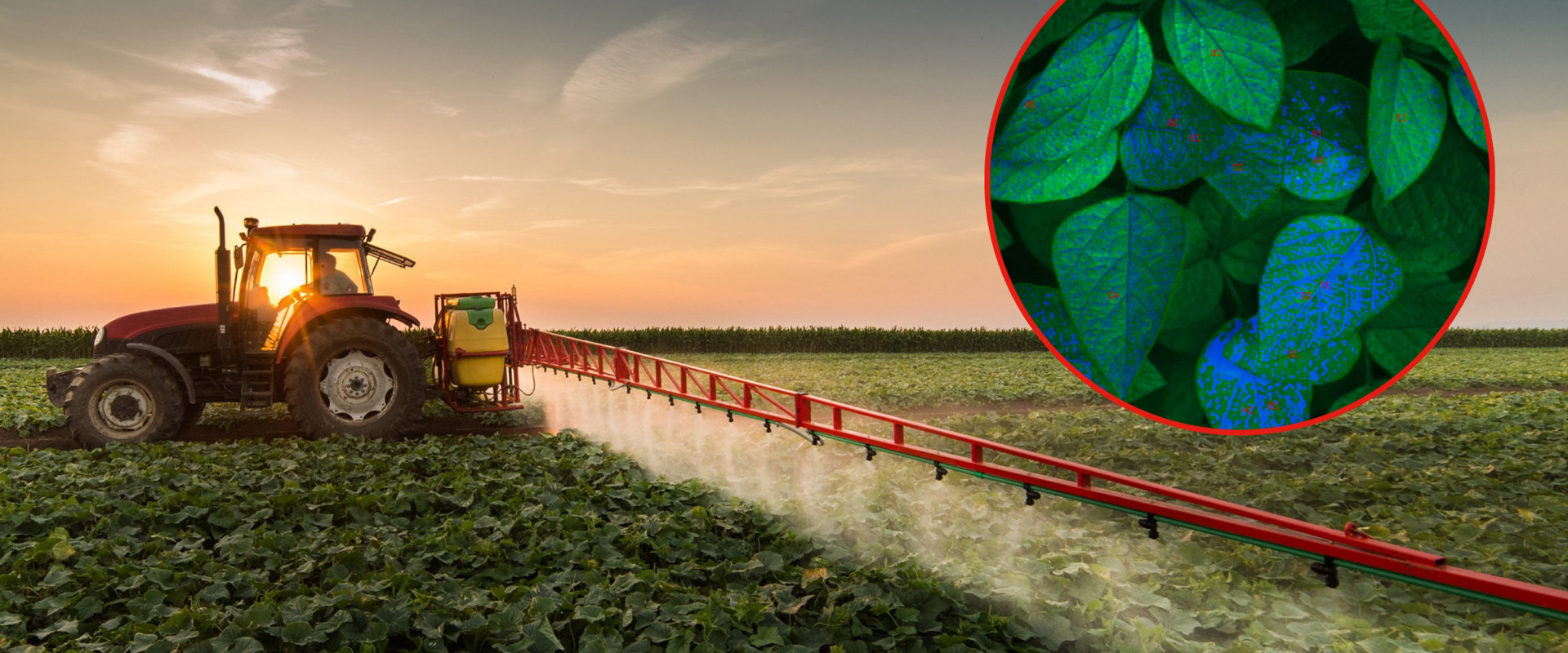
One of the most promising trends is the adoption of precision agriculture. This approach utilizes data analytics, satellite imagery, and IoT devices to optimize farming practices. By monitoring soil health, crop conditions, and weather patterns, farmers can make informed decisions that lead to higher yields while minimizing resource use.- Vertical farming is another innovative method gaining traction.
By growing crops in stacked layers, often in controlled indoor environments, this technique maximizes space and reduces the need for pesticides and herbicides.
- Aquaponics, which combines aquaculture with hydroponics, is also emerging as a sustainable solution. This system recycles water and nutrients between fish and plants, creating a symbiotic environment that enhances productivity.
- Agroecology emphasizes biodiversity and ecological balance, promoting practices such as crop rotation and intercropping to improve soil health and resilience against pests.
Trends Shaping the Future of Food Security
The future of sustainable agriculture will also be influenced by consumer demand for transparency and sustainability. As more consumers seek out ethically produced food, farmers are increasingly adopting practices that align with these values. This shift not only supports local economies but also encourages sustainable land management practices.Furthermore, advancements in biotechnology are paving the way for crops that are more resilient to climate change.Genetically modified organisms (GMOs) can be engineered to withstand extreme weather conditions, pests, and diseases, thereby securing food supplies in unpredictable environments.In conclusion, the intersection of technology, consumer awareness, and innovative farming practices will define the future landscape of sustainable farm systems. By embracing these trends, we can enhance food security while promoting environmental stewardship for generations to come.
Conclusion: The Path Forward for Sustainable Farm Systems and Food Security
In conclusion, the role of sustainable farm systems in enhancing food security cannot be overstated. As we have explored throughout this article, these systems not only promote environmental health but also ensure that agricultural practices are resilient and adaptable to changing conditions. By integrating methods such as crop rotation, agroforestry, and organic farming, sustainable farm systems contribute to a more stable food supply. They help mitigate the impacts of climate change, reduce dependency on chemical inputs, and enhance biodiversity, all of which are crucial for maintaining productive agricultural landscapes. Moreover, sustainable farm systems empower local communities by fostering economic resilience.When farmers adopt sustainable practices, they often see improved yields and reduced costs over time. This economic stability is vital for food security as it enables communities to invest in their agricultural infrastructure and local markets. To move forward effectively, it is essential for policymakers, farmers, and consumers to collaborate in promoting sustainable farm systems. Here are some key steps that can be taken:
- Education and Training: Providing resources and training for farmers on sustainable practices can lead to widespread adoption.
- Supportive Policies: Governments should implement policies that incentivize sustainable farming techniques and provide financial support for transitioning farmers.
- Consumer Awareness: Encouraging consumers to choose sustainably produced food can drive demand and support local farmers.