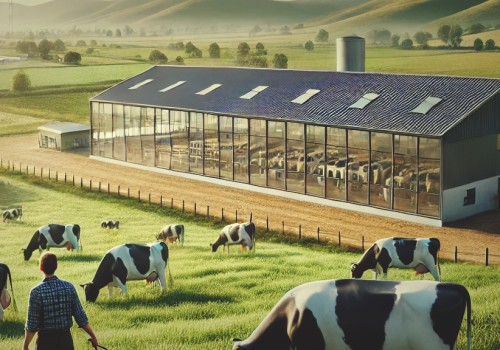
Sustainable farm systems represent a transformative approach to agriculture that prioritizes environmental health, economic viability, and social equity. At their core, these systems are designed to meet the needs of the present without compromising the ability of future generations to meet their own needs. This holistic perspective not only encompasses the cultivation of crops and livestock but also integrates practices that enhance biodiversity, conserve resources, and minimize waste. The definition of sustainable farming extends beyond mere organic practices; it involves a comprehensive strategy that includes crop rotation, agroforestry, and permaculture techniques. These methods work in harmony with natural ecosystems, promoting soil health and reducing dependency on chemical fertilizers and pesticides.
By fostering a balanced relationship between agriculture and the environment, sustainable farm systems can significantly mitigate the adverse effects of traditional farming methods. One of the most compelling benefits of sustainable agriculture is its potential to reduce waste and promote recycling within farming operations. By implementing closed-loop systems where waste products are repurposed as resources—such as using animal manure for fertilization or composting plant residues—farmers can create a more efficient and resilient agricultural model. This not only decreases the amount of waste generated but also enhances soil fertility and crop yields, ultimately leading to a more sustainable food system.
The Importance of Waste Reduction in Agriculture
In the realm of sustainable farm systems, the significance of waste reduction in agriculture cannot be overstated. Agricultural practices often generate substantial waste, which can have detrimental effects on the environment.By implementing strategies aimed at minimizing waste, farmers can not only enhance their operational efficiency but also contribute positively to the ecosystem.The environmental impact of farming waste is profound. Traditional agricultural methods frequently lead to the accumulation of organic and inorganic waste, which can pollute soil and water sources. For instance, excess fertilizers and pesticides can leach into waterways, causing eutrophication and harming aquatic life. By focusing on waste reduction, sustainable farm systems can mitigate these risks, promoting healthier ecosystems.Moreover, reducing agricultural waste offers numerous benefits:
- Resource Efficiency: By minimizing waste, farmers can make better use of resources such as water, energy, and raw materials.
This efficiency not only lowers costs but also conserves vital resources.
- Soil Health: Composting organic waste returns nutrients to the soil, enhancing its fertility and structure. Healthy soil is crucial for sustainable crop production.
- Economic Savings: Waste reduction strategies can lead to significant cost savings in disposal fees and purchasing inputs. Farmers who adopt these practices often find themselves with higher profit margins.
- Community Engagement: Sustainable farm systems that prioritize waste reduction often engage with local communities through initiatives like food recovery programs, fostering a sense of shared responsibility towards environmental stewardship.
How Sustainable Farm Systems Reduce Waste
Sustainable farm systems employ a variety of innovative techniques to reduce waste and enhance overall efficiency.By integrating practices that prioritize environmental health, these farms not only minimize waste but also contribute to a more sustainable agricultural model.
Crop Rotation
One effective method is crop rotation, which involves alternating the types of crops grown in a particular area across seasons. This practice helps to:- Improve soil health by preventing nutrient depletion.
- Reduce pest and disease cycles, minimizing the need for chemical interventions.
- Enhance biodiversity, which can lead to more resilient ecosystems.
Composting
Composting is another cornerstone of waste management in sustainable agriculture. By converting organic waste—such as crop residues, food scraps, and manure—into nutrient-rich compost, farmers can:- Reduce the volume of waste sent to landfills.
- Enhance soil fertility and structure, leading to healthier crops.
- Lower reliance on synthetic fertilizers, which can be harmful to the environment.
Integrated Pest Management (IPM)
Integrated Pest Management (IPM) is a holistic approach that combines various strategies to manage pests while minimizing waste. This includes:- Utilizing natural predators and beneficial insects to control pest populations.
- Employing crop diversity to disrupt pest life cycles.
- Implementing targeted treatments only when necessary, reducing chemical use and associated waste.
This approach not only benefits the environment but also enhances the long-term viability of farming operations.
Promoting Recycling Through Sustainable Practices
Sustainable farm systems are designed to minimize waste and maximize resource efficiency, and one of the key ways they achieve this is through recycling. By implementing various sustainable farming recycling practices, farms can significantly reduce their environmental footprint while enhancing productivity.Reusing Materials and Resources
- Composting: Organic waste from crops and livestock can be composted to create nutrient-rich soil amendments. This not only diverts waste from landfills but also enriches the soil, promoting healthier crops.
- Crop Residue Recycling: Instead of burning crop residues, sustainable farms incorporate them back into the soil. This practice improves soil structure and fertility while reducing greenhouse gas emissions.
- Water Recycling: Many sustainable farms utilize rainwater harvesting systems and greywater recycling to reduce water waste.
This practice conserves water resources and lowers irrigation costs.
The Role of Community-Supported Agriculture (CSA)
Community-supported agriculture plays a vital role in promoting recycling within sustainable farm systems. By connecting consumers directly with farmers, CSAs encourage the use of local resources and reduce the need for packaging. Members often receive produce in reusable containers, which further minimizes waste.
Benefits of Recycling on Farms
- Cost Savings: By reusing materials and resources, farms can lower operational costs associated with purchasing new inputs.
- Environmental Impact: Recycling reduces landfill waste and lowers carbon emissions, contributing to a healthier ecosystem.
- Soil Health: Practices like composting enhance soil health, leading to better crop yields and resilience against pests and diseases.
Case Studies: Successful Sustainable Farm Systems
Across the globe, numerous sustainable farm systems have emerged as beacons of innovation, demonstrating how effective practices can significantly reduce waste and promote recycling.Here are a few notable case studies:
1.Polyface Farm, Virginia
Polyface Farm, operated by Joel Salatin, is a prime example of a sustainable farm system that emphasizes holistic management. The farm utilizes rotational grazing techniques that not only enhance soil health but also minimize waste. By allowing livestock to graze in a controlled manner, the farm reduces feed waste and promotes nutrient cycling through natural manure fertilization.2.The Rodale Institute, Pennsylvania
The Rodale Institute has been at the forefront of organic farming research for decades. Their innovative practices include cover cropping and composting, which significantly reduce agricultural waste.By implementing these methods, they have demonstrated that sustainable farming can lead to improved soil fertility and reduced reliance on synthetic fertilizers.
3.Green City Growers, Ohio
This urban farm focuses on transforming vacant lots into productive green spaces. Green City Growers employs aquaponics and vertical farming techniques to maximize space and resources while minimizing waste. Their approach not only recycles water but also integrates fish farming with plant cultivation, creating a closed-loop system that exemplifies sustainability.4.Terra Firma Farm, California
Terra Firma Farm utilizes a Community Supported Agriculture (CSA) model that encourages local consumption and reduces food waste. By engaging directly with consumers, they ensure that produce is harvested based on demand, minimizing surplus and promoting recycling through composting of unsold goods.These case studies illustrate that sustainable farm systems are not just theoretical concepts; they are practical solutions that yield tangible benefits.By adopting innovative practices such as rotational grazing, composting, aquaponics, and community engagement, these farms effectively reduce waste and promote recycling in agriculture.
Challenges Faced by Sustainable Farm Systems in Waste Management
Sustainable farm systems are designed to minimize environmental impact and promote resource efficiency, yet they face significant challenges in waste management. Understanding these obstacles is crucial for developing effective strategies to enhance sustainability in agriculture.- Economic Constraints: Many sustainable farms operate on tight budgets, making it difficult to invest in advanced waste management technologies. The initial costs of implementing recycling systems or composting facilities can deter farmers from adopting these practices.
- Knowledge Gaps: A lack of awareness or training regarding sustainable practices can hinder farmers from effectively managing waste. Many may not be familiar with the benefits of composting or how to implement a circular economy approach on their farms.
- Infrastructure Limitations: In rural areas, the absence of adequate infrastructure for recycling and waste processing can pose a significant barrier.
Farmers may struggle to find local facilities that accept organic waste or provide recycling services.
- Regulatory Challenges: Compliance with local regulations can complicate waste management efforts. Farmers may face restrictions on how they can dispose of certain materials, which can limit their ability to recycle effectively.
- Education and Training: Providing farmers with resources and training on sustainable practices can empower them to implement effective waste management solutions.
- Collaboration: Forming partnerships with local governments, NGOs, and other farmers can help create a support network for sharing resources and knowledge about waste reduction techniques.
- Investment in Technology: Seeking grants or subsidies for sustainable technologies can alleviate financial burdens and encourage the adoption of innovative waste management systems.
- Advocacy for Policy Change: Engaging with policymakers to advocate for supportive regulations can help create a more favorable environment for sustainable practices in agriculture.
Future Trends in Sustainable Farming and Waste Management
The future of sustainable farm systems is poised to embrace innovative technologies and practices that significantly enhance waste management and recycling efforts. As the agricultural sector faces increasing pressure to minimize its environmental footprint, several key trends are emerging.Precision Agriculture
One of the most promising advancements is the rise of precision agriculture. This approach utilizes data analytics, GPS technology, and IoT devices to optimize resource use and reduce waste.By monitoring soil health, crop conditions, and weather patterns in real-time, farmers can make informed decisions that lead to less over-application of fertilizers and pesticides, ultimately decreasing agricultural runoff and waste.
Circular Economy Practices
The concept of a circular economy is gaining traction in sustainable farming. This model emphasizes the reuse and recycling of materials within the agricultural system. For instance, organic waste from farms can be composted to create nutrient-rich soil amendments, while by-products from crop processing can be repurposed as animal feed or bioenergy. Implementing these practices not only reduces waste but also enhances farm resilience.Innovations in Waste Management Technologies
Emerging technologies are also transforming how farms manage waste.Innovations such as anaerobic digestion systems allow farmers to convert organic waste into biogas, which can be used for energy production. Additionally, advancements in biodegradable materials for packaging and farming tools are reducing reliance on plastics, further promoting sustainability.
Collaboration and Education
Finally, collaboration among farmers, researchers, and policymakers is essential for advancing sustainable practices. Educational programs focused on waste reduction and recycling techniques can empower farmers to adopt new methods effectively. As knowledge sharing increases, so does the potential for widespread implementation of sustainable farm systems.In conclusion, the future of sustainable farming lies in embracing these trends and innovations that not only reduce waste but also promote a more resilient agricultural ecosystem.FAQs About Sustainable Farm Systems and Waste Management
As sustainable farm systems gain traction, many people have questions about their effectiveness in reducing waste and promoting recycling.Here are some frequently asked questions that shed light on this important topic.
What are sustainable farm systems?
Sustainable farm systems are agricultural practices designed to meet current food needs without compromising the ability of future generations to meet their own. These systems focus on environmental health, economic profitability, and social equity, often incorporating methods that minimize waste and enhance recycling.How do sustainable farming practices reduce agricultural waste?
Sustainable farming practices reduce agricultural waste through several key strategies:- Crop Rotation: This method helps maintain soil health and reduces the need for chemical fertilizers, which can lead to waste.
- Composting: By turning organic waste into compost, farmers can recycle nutrients back into the soil, reducing the amount of waste sent to landfills.
- Precision Agriculture: Utilizing technology to monitor crop health allows farmers to apply resources more efficiently, minimizing excess use and waste.
What recycling practices are commonly used on sustainable farms?
Sustainable farms often implement various recycling practices, including:- Recycling Water: Many farms use rainwater harvesting systems or greywater recycling to reduce water waste.
- Using Recycled Materials: Farmers may use recycled materials for building structures or creating compost bins, reducing the need for new resources.
- Animal Waste Management: Instead of discarding animal waste, it is often composted or used as fertilizer, effectively recycling nutrients back into the ecosystem.