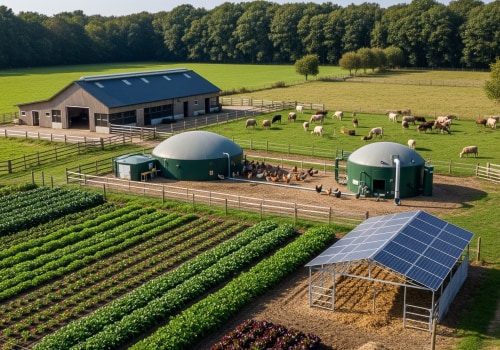
Sustainable farm systems represent a holistic approach to agriculture that prioritizes environmental health, economic viability, and social equity. At its core, sustainable farming seeks to meet the needs of the present without compromising the ability of future generations to meet their own needs. This definition encompasses a variety of practices that aim to enhance biodiversity, improve soil health, and reduce reliance on chemical inputs, all while ensuring that farming remains profitable and socially responsible. The importance of sustainable agriculture cannot be overstated in today’s world. As global populations continue to rise and climate change poses significant challenges, the need for resilient agricultural practices becomes increasingly urgent.
Sustainable farm systems not only contribute to food security but also promote a healthier ecosystem by minimizing pollution and conserving resources. By integrating ecological principles into farming, these systems foster a more balanced relationship between humans and nature. Moreover, sustainable farm systems play a crucial role in promoting social responsibility within communities. They encourage local food production, which supports local economies and reduces the carbon footprint associated with transporting food over long distances. Additionally, these systems often prioritize fair labor practices and community engagement, ensuring that the benefits of agriculture are shared equitably among all stakeholders.
In this way, sustainable farming is not just about growing food; it is about cultivating a more just and responsible society.
The Principles of Sustainable Farming
Sustainable farm systems are built on a foundation of core principles that guide their practices and promote social responsibility. These principles not only focus on environmental health but also emphasize economic viability and social equity.- Environmental Stewardship: Sustainable farming prioritizes the health of the ecosystem. This involves using eco-friendly farming methods that minimize chemical inputs, conserve water, and enhance biodiversity. Practices such as crop rotation, cover cropping, and integrated pest management help maintain soil fertility and reduce environmental degradation.
- Economic Viability: For a farm to be sustainable, it must also be economically viable.
This means that farmers need to adopt sustainable agriculture practices that not only protect the environment but also ensure profitability. By focusing on local markets and value-added products, farmers can create a resilient economic model that supports their communities.
- Social Equity: A critical aspect of sustainable farm systems is their commitment to social responsibility. This includes fair labor practices, equitable access to resources, and community engagement. By fostering strong relationships with local communities and ensuring fair wages for workers, sustainable farms contribute to social well-being.
By adhering to these principles, sustainable farm systems not only enhance agricultural productivity but also contribute positively to society as a whole.
Social Responsibility in Agriculture
In the realm of agriculture, social responsibility encompasses the ethical obligations that farmers and agricultural businesses have towards their communities, the environment, and society at large.Sustainable farm systems
play a pivotal role in promoting this sense of responsibility by integrating practices that not only enhance productivity but also prioritize the well-being of people and the planet.Ethical farming practices
are at the heart of social responsibility in agriculture. These practices include:- Fair labor conditions: Ensuring that farm workers receive fair wages, safe working environments, and access to necessary benefits.
- Community engagement: Actively involving local communities in decision-making processes and supporting local economies through sourcing and employment.
- Environmental stewardship: Implementing methods that protect natural resources, such as soil health and water quality, thereby safeguarding the ecosystem for future generations.
For instance, when local farms engage in community-supported agriculture (CSA)
By prioritizing these values, farmers can contribute to a more equitable and sustainable agricultural landscape.
How Sustainable Farm Systems Enhance Social Responsibility
Sustainable farm systems play a crucial role in enhancing social responsibility within communities. By prioritizing environmental health and community well-being, these systems foster a more equitable agricultural landscape.Community Engagement
- Sustainable farms often engage with local communities through educational programs, workshops, and farm tours. This interaction not only raises awareness about sustainable practices but also strengthens community ties.
- By involving community members in decision-making processes, sustainable farms empower individuals and promote a sense of ownership over local food systems.
Fair Labor Practices
- One of the hallmarks of sustainable farm systems is their commitment to fair labor practices. These farms prioritize the welfare of their workers by ensuring fair wages, safe working conditions, and reasonable hours.
- By adhering to ethical labor standards, sustainable farms contribute to social equity in agriculture, helping to uplift marginalized communities and reduce exploitation.
Support for Local Economies
- Sustainable farm systems often source materials and labor locally, which helps to circulate money within the community.
This practice not only boosts local economies but also reduces the carbon footprint associated with transporting goods over long distances.
- Moreover, by selling directly to consumers through farmers' markets or community-supported agriculture (CSA) programs, these farms create a transparent food system that benefits both producers and consumers.
Case Studies: Successful Sustainable Farm Systems Promoting Social Responsibility
In recent years, numerous sustainable farm systems have emerged as beacons of social responsibility, demonstrating how agriculture can positively impact communities and the environment. Here are a few notable case studies:1.Polyface Farm, Virginia
Polyface Farm, operated by Joel Salatin, is a prime example of a sustainable farm system that prioritizes social responsibility. The farm employs rotational grazing techniques that enhance soil health and biodiversity while providing high-quality, ethically raised meat products.Salatin emphasizes local food systems, engaging with the community through farm tours and educational workshops, thereby fostering a deeper connection between consumers and their food sources.
2.The Rodale Institute, Pennsylvania
The Rodale Institute is dedicated to advancing organic farming practices and conducting research on sustainable agriculture. Their Organic Farming Research program not only focuses on environmental sustainability but also addresses social issues such as food access and farmer education. By providing training programs for new farmers and advocating for policies that support sustainable practices, the institute promotes social equity within the agricultural sector.3.Fair Food Network, Michigan
The Fair Food Network works to connect sustainable farmers with underserved communities in Michigan. Their Double Up Food Bucks program allows low-income families to double their purchasing power at farmers' markets when buying fresh produce.This initiative not only supports local farmers but also improves food access for those in need, showcasing a successful model of social responsibility in agriculture.
4.Green City Growers, Ohio
Green City Growers operates urban farms in Cleveland, transforming vacant lots into productive agricultural spaces. Their focus on community engagement and education empowers local residents to participate in sustainable farming practices. By providing job training and fresh produce to neighborhoods with limited access to healthy food options, they exemplify how sustainable farm systems can address social challenges while promoting environmental stewardship.These case studies illustrate that sustainable farm systems can effectively promote social responsibility by enhancing community engagement, improving food access, and fostering educational opportunities. As more farms adopt these practices, the potential for positive social impact continues to grow.Challenges Facing Sustainable Farm Systems in Promoting Social Responsibility
While sustainable farm systems aim to enhance social responsibility, they encounter several significant challenges that can hinder their effectiveness.Understanding these barriers is crucial for fostering a more responsible agricultural landscape.
Economic Constraints
One of the primary challenges is the economic viability of sustainable practices. Many farmers face financial pressures that make it difficult to invest in sustainable farming methods. The initial costs associated with transitioning to organic practices or implementing eco-friendly technologies can be prohibitive, especially for small-scale farmers.Market Access and Consumer Awareness
Another barrier is limited market access for sustainably produced goods. Consumers often lack awareness of the benefits of sustainable farm systems, leading to lower demand for these products.Without a robust market, farmers may struggle to justify the shift towards more responsible practices.
Policy and Regulatory Challenges
Government policies can also pose obstacles. In many regions, agricultural policies favor conventional farming methods, providing subsidies and support that do not extend to sustainable practices. This creates an uneven playing field that discourages farmers from adopting socially responsible methods.Cultural and Social Factors
Cultural attitudes towards farming can further complicate the promotion of social responsibility. In some communities, traditional farming practices are deeply ingrained, making it challenging to introduce new sustainable methods.Additionally, social structures may not support collaborative efforts among farmers to share resources and knowledge about sustainable practices.
Environmental Challenges
Lastly, environmental factors such as climate change and soil degradation can undermine the effectiveness of sustainable farm systems. These issues can lead to unpredictable yields and increased vulnerability, making it difficult for farmers to maintain both economic stability and social responsibility. Addressing these challenges requires a multifaceted approach that includes education, policy reform, and community engagement. By recognizing and tackling these barriers, stakeholders can work towards a more socially responsible agricultural system that benefits both farmers and society as a whole.Future Trends in Sustainable Farming and Social Responsibility
The future of sustainable farm systems is poised to significantly enhance social responsibility within the agricultural sector. As consumers become increasingly aware of the environmental and social impacts of their food choices, farmers are adopting innovative practices that align with these values.One of the most promising trends is the integration of technology in sustainable farming.Precision agriculture, which utilizes data analytics and IoT devices, allows farmers to optimize resource use while minimizing waste. This not only boosts productivity but also reduces the ecological footprint of farming operations. For instance, using drones for crop monitoring can lead to more efficient water usage and lower pesticide application, promoting both environmental sustainability and community health.Moreover, the rise of regenerative agriculture is reshaping how we think about land stewardship. This approach focuses on restoring soil health, enhancing biodiversity, and improving water cycles.
By prioritizing these elements, farmers can create systems that not only yield crops but also contribute positively to local ecosystems and communities.Another key trend is the emphasis on fair trade practices and ethical sourcing. Consumers are increasingly demanding transparency in food production, leading to a surge in demand for products that support fair labor practices and equitable treatment of workers. Sustainable farm systems that prioritize these values can foster stronger community ties and ensure that all stakeholders benefit from agricultural success.Additionally, community-supported agriculture (CSA) models are gaining traction as a way to connect consumers directly with local farmers. This not only supports local economies but also encourages a sense of shared responsibility for sustainable practices.
By participating in CSAs, consumers become more invested in the farming process, fostering a culture of sustainability and social responsibility.In conclusion, the future landscape of sustainable farming is bright with potential innovations that enhance social responsibility. By embracing technology, regenerative practices, fair trade principles, and community engagement, sustainable farm systems can lead the way toward a more equitable and environmentally friendly agricultural sector.
Conclusion: The Interconnection Between Sustainable Farming and Social Responsibility
In conclusion, the relationship between sustainable farm systems and social responsibility is profound and multifaceted. Throughout this article, we have explored how these systems not only prioritize environmental health but also foster a sense of community and ethical stewardship.Sustainable farm systems
encourage practices that benefit local economies by supporting small-scale farmers and promoting fair trade. This economic empowerment leads to stronger communities where individuals can thrive, thus enhancing social equity.By prioritizing local sourcing and reducing reliance on industrial agriculture, these systems help to create jobs and stimulate local markets. Moreover, the emphasis on environmental sustainability within these farming practices contributes to the well-being of future generations. By adopting methods that protect natural resources, such as soil health and water quality, sustainable farms ensure that communities can continue to access healthy food sources without compromising the planet. Additionally, sustainable farm systems often incorporate educational initiatives that raise awareness about food production and environmental issues. These programs empower consumers to make informed choices, fostering a culture of responsibility and mindfulness regarding food consumption. Ultimately, the promotion of social responsibility through sustainable farming is not just an ethical choice; it is a necessary evolution in our approach to agriculture. As we face global challenges such as climate change and food insecurity, embracing these systems becomes crucial for building resilient communities that prioritize both people and the planet. In summary, the interconnection between sustainable farm systems and social responsibility highlights the importance of holistic approaches in agriculture.
By supporting these practices, we contribute to a more equitable and sustainable future for all.