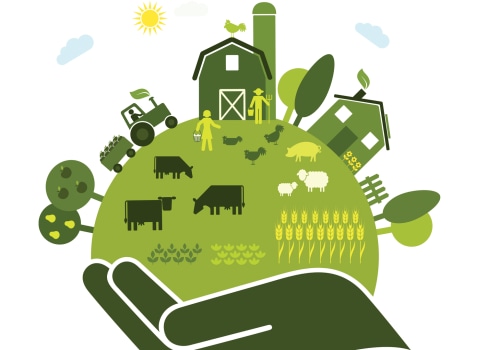
In recent years, the concept of sustainable farm systems has gained significant traction as a vital approach to modern agriculture. At its core, sustainable farming refers to agricultural practices that are designed to meet current food needs without compromising the ability of future generations to meet their own. This involves a holistic approach that integrates environmental health, economic profitability, and social equity. By prioritizing sustainability, farmers can create systems that not only produce food but also enhance the resilience of ecosystems. The importance of sustainability in agriculture cannot be overstated.
As the global population continues to rise, the demand for food increases, putting immense pressure on natural resources. Traditional farming methods often lead to soil degradation, water scarcity, and loss of biodiversity. In contrast, sustainable farm systems aim to minimize these negative impacts by employing practices such as crop rotation, organic farming, and agroforestry. These methods not only help preserve the environment but also improve the quality of produce and ensure food security. Understanding the role of technology in enhancing sustainable farm systems is crucial for addressing the challenges faced by modern agriculture.
Innovations such as precision agriculture, data analytics, and renewable energy solutions are transforming how farmers operate. By leveraging technology, farmers can optimize resource use, reduce waste, and increase productivity while maintaining ecological balance. This intersection of technology and sustainability sets the stage for a new era in farming that promises to be both productive and environmentally responsible.
The Intersection of Technology and Agriculture
The integration of technology into agriculture has revolutionized the way we approach farming, particularly in the context of sustainable farm systems. As the global population continues to grow, the demand for food increases, necessitating innovative solutions that not only enhance productivity but also minimize environmental impact.Modern agricultural technology encompasses a wide range of tools and practices designed to improve efficiency and sustainability.These include:
- Precision Agriculture: Utilizing GPS and IoT devices, farmers can monitor crop health, soil conditions, and weather patterns in real-time. This data-driven approach allows for targeted interventions, reducing waste and optimizing resource use.
- Drones and Aerial Imaging: Drones equipped with advanced imaging technology can assess crop health from above, identifying areas that require attention. This not only saves time but also helps in making informed decisions about irrigation and fertilization.
- Biotechnology: Genetic engineering and other biotechnological advancements enable the development of crops that are more resilient to pests and climate change. These innovations contribute to higher yields while reducing the need for chemical inputs.
- Automation and Robotics: Automated systems for planting, harvesting, and monitoring crops can significantly reduce labor costs and increase efficiency.
Robotics can perform tasks with precision that human laborers may not achieve.
- Reduce water usage through smart irrigation systems that deliver water precisely when and where it is needed.
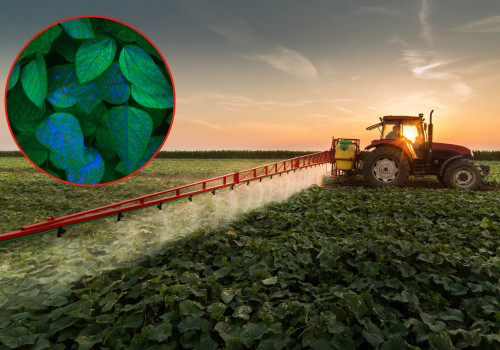
- Minimize chemical runoff by using targeted application methods that limit pesticide and fertilizer use.
- Enhance soil health through practices like cover cropping and reduced tillage, supported by data analytics.
Precision Agriculture: Optimizing Resources for Sustainability
In the realm of sustainable farm systems, precision agriculture stands out as a transformative approach that leverages advanced technologies to enhance resource management. By utilizing tools such as GPS, drones, and various sensors, farmers can make informed decisions that significantly reduce waste and improve efficiency.GPS technology
plays a crucial role in precision agriculture by allowing farmers to map their fields with high accuracy.This capability enables them to identify variations in soil quality, moisture levels, and crop health across different areas of their land. As a result, farmers can tailor their inputs—such as water, fertilizers, and pesticides—to meet the specific needs of each section of their fields, thereby optimizing resource use.Drones have also emerged as invaluable assets in sustainable farming techniques. Equipped with high-resolution cameras and sensors, drones can conduct aerial surveys to monitor crop conditions and assess field variability. This real-time data collection allows farmers to quickly identify problem areas, such as pest infestations or nutrient deficiencies, enabling timely interventions that minimize chemical use and enhance crop yields.Moreover, sensors placed throughout the fields can provide continuous monitoring of environmental conditions.
Soil moisture sensors, for instance, help farmers determine the optimal times for irrigation, reducing water waste and ensuring that crops receive just the right amount of moisture. This not only conserves water resources but also promotes healthier plant growth.By integrating these technologies into their operations, farmers can adopt a more sustainable farming model that prioritizes efficiency and environmental stewardship. The data-driven insights gained from precision agriculture empower farmers to make proactive decisions that align with the principles of sustainability, ultimately leading to more resilient agricultural systems.
Data Management and Analytics in Sustainable Farming
In the realm of sustainable farm systems, data management and analytics play a pivotal role in enhancing productivity while minimizing environmental impact. By leveraging advanced technologies, farmers can collect, analyze, and interpret vast amounts of data to make informed decisions that promote sustainability.Data management in agriculture
involves the systematic collection and organization of data from various sources, including soil sensors, weather stations, and crop monitoring systems.This data is crucial for understanding the unique conditions of each farm and tailoring practices accordingly. For instance, soil moisture levels can be monitored in real-time, allowing farmers to optimize irrigation schedules and reduce water waste.Furthermore, agricultural analytics enables farmers to identify trends and patterns that inform their decision-making processes. By analyzing historical data alongside current conditions, farmers can predict crop yields, assess the effectiveness of different farming techniques, and adjust their strategies to enhance sustainability. For example, predictive analytics can help determine the best planting times based on weather forecasts and soil conditions.The integration of big data in farming also facilitates precision agriculture, where inputs such as fertilizers and pesticides are applied more efficiently.
This not only reduces costs but also minimizes the ecological footprint of farming operations. By using data-driven insights, farmers can target specific areas of their fields that require attention rather than applying resources uniformly across the entire farm.In conclusion, the role of data management and analytics in sustainable farm systems cannot be overstated. These tools empower farmers to make smarter decisions that enhance productivity while safeguarding natural resources for future generations.
Biotechnology: Enhancing Crop Resilience and Yield
In the quest for sustainable farm systems, biotechnology plays a pivotal role by enhancing crop resilience and yield. As climate change poses significant challenges to agriculture, the development of crops that can withstand extreme weather conditions, pests, and diseases becomes increasingly vital.Biotechnology in agriculture
encompasses a range of techniques, including genetic engineering, which allows scientists to modify the genetic makeup of crops.This process can lead to the creation of genetically modified organisms (GMOs) that exhibit traits such as drought resistance, pest tolerance, and improved nutritional content. For instance, crops like Bt corn have been engineered to produce a natural insecticide, reducing the need for chemical pesticides and promoting a healthier ecosystem.Moreover, biotechnology facilitates the development of crops that can thrive in suboptimal conditions. By introducing specific genes that confer resilience to abiotic stresses such as salinity or extreme temperatures, farmers can cultivate crops in areas previously deemed unsuitable for agriculture. This not only increases food production but also helps in conserving water and soil resources.
- Drought-resistant varieties: These crops require less water, making them ideal for regions facing water scarcity.
- Pest-resistant crops: By reducing reliance on chemical pesticides, these varieties promote biodiversity and protect beneficial insects.
- Nutrient-enhanced crops: Biotechnology can improve the nutritional profile of staple foods, addressing malnutrition in vulnerable populations.
As we continue to face global challenges such as food security and climate change, leveraging biotechnological advancements will be crucial for developing sustainable agricultural practices that benefit both farmers and the planet.
Renewable Energy Solutions for Sustainable Farms
As the agricultural sector faces increasing pressure to reduce its environmental impact, renewable energy solutions are emerging as a vital component of sustainable farm systems. By harnessing natural resources, farmers can significantly lower their carbon footprints while enhancing operational efficiency.Solar Farms
- Solar panels are being installed on rooftops and in open fields, converting sunlight into electricity that powers farm operations.
- These installations not only provide energy for irrigation systems and machinery but can also generate surplus energy that can be sold back to the grid, creating an additional revenue stream for farmers.
- Moreover, solar energy reduces reliance on fossil fuels, contributing to a cleaner environment.
Wind Energy for Farming
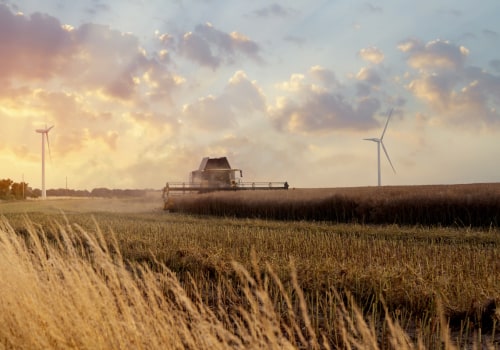
- Wind turbines are another innovative solution being adopted in agricultural settings. By capturing wind energy, farms can produce their own electricity, which is particularly beneficial in rural areas where access to traditional power sources may be limited.
- The integration of wind energy not only supports farm operations but also promotes biodiversity by providing habitats for various species.
- Farmers can also benefit from government incentives and grants aimed at promoting renewable energy adoption, making wind energy a financially viable option.
Challenges and Limitations of Technology in Sustainable Farming
While technology plays a crucial role in enhancing sustainable farm systems, its adoption is not without challenges and limitations.Farmers often encounter several barriers that can hinder the effective implementation of new technologies.
Financial Constraints
One of the primary challenges is the financial burden associated with acquiring and maintaining advanced agricultural technologies. Many sustainable farming solutions, such as precision agriculture tools or renewable energy systems, require significant upfront investment. For small-scale farmers, these costs can be prohibitive, leading to a reluctance to adopt innovative practices.Technical Knowledge and Skills
Another limitation is the knowledge gap among farmers regarding the use of new technologies. Many traditional farmers may lack the necessary technical skills to operate sophisticated equipment or software.This gap can create a barrier to adoption, as farmers may feel overwhelmed or uncertain about how to integrate these tools into their existing practices.
Infrastructure Challenges
The availability of infrastructure also plays a significant role in the successful implementation of sustainable farming technologies. In rural areas, limited access to reliable internet services can hinder the use of data-driven tools essential for precision farming. Additionally, inadequate transportation networks may restrict farmers' ability to obtain necessary resources or market their products effectively.Cultural Resistance
Cultural factors can also pose challenges. Some farmers may be resistant to change due to a strong attachment to traditional farming methods.This resistance can stem from a lack of trust in new technologies or skepticism about their effectiveness in improving sustainability.
Regulatory Barriers
Lastly, regulatory hurdles can impede the adoption of sustainable farming technologies. Policies and regulations may not always support innovative practices, creating uncertainty for farmers who wish to invest in new solutions. Navigating these regulations can be time-consuming and complex, further discouraging adoption. In conclusion, while technology has the potential to significantly enhance sustainable farm systems, addressing these challenges is essential for fostering widespread adoption and ensuring that farmers can fully benefit from innovative agricultural practices.Future Trends: The Next Generation of Sustainable Farm Technologies
As we look to the future, the role of technology in sustainable farm systems is set to evolve dramatically. Emerging technologies are not only enhancing productivity but also ensuring that farming practices align with environmental stewardship and resource conservation.Precision Agriculture
One of the most promising trends is the advancement of precision agriculture.This approach utilizes data analytics, GPS technology, and IoT devices to optimize field-level management regarding crop farming. By analyzing soil health, moisture levels, and crop performance, farmers can make informed decisions that reduce waste and enhance yields.
Vertical Farming and Hydroponics
Vertical farming and hydroponics are gaining traction as urban populations grow and arable land decreases. These innovative farming methods allow for the cultivation of crops in controlled environments, using significantly less water and land compared to traditional farming. As technology advances, these systems are becoming more efficient, making them a viable option for sustainable food production.Biotechnology and Genetic Engineering
The future of sustainable farming technology also lies in biotechnology.Genetic engineering can produce crops that are more resistant to pests and diseases, reducing the need for chemical pesticides. Additionally, bioengineered plants can be designed to thrive in suboptimal conditions, such as drought or poor soil quality, thus expanding the potential for sustainable agriculture in challenging environments.
Renewable Energy Integration
Integrating renewable energy sources, such as solar and wind power, into farming operations is another trend that supports sustainability. By harnessing these energy sources, farms can reduce their carbon footprint and lower operational costs. Innovations like solar-powered irrigation systems are already making waves in the industry.Blockchain for Transparency
Blockchain technology is emerging as a tool for enhancing transparency in food supply chains.By providing a secure and immutable record of transactions, blockchain can help consumers trace the origin of their food, ensuring it meets sustainability standards. This transparency can drive demand for sustainably produced goods.In conclusion, the future of sustainable farm systems is bright with the integration of these emerging technologies. As they continue to develop, they hold the potential to revolutionize agriculture by making it more efficient, environmentally friendly, and capable of meeting the demands of a growing global population.
Conclusion: The Path Forward for Sustainable Farm Systems and Technology Integration
As we reflect on the critical role of technology in sustainable farm systems, it becomes clear that the integration of innovative solutions is not merely beneficial but essential for the future of agriculture. Throughout this discussion, we have explored various technological advancements that enhance efficiency, reduce environmental impact, and promote resilience in farming practices.Key Takeaways:
- Precision Agriculture: Utilizing data analytics and IoT devices allows farmers to optimize resource use, leading to increased yields while minimizing waste.
- Renewable Energy Sources: The adoption of solar and wind energy in farming operations reduces reliance on fossil fuels, contributing to a lower carbon footprint.
- Biotechnology: Advances in genetic engineering and crop science enable the development of resilient crop varieties that can withstand climate change impacts.
- Automation and Robotics: The use of drones and automated machinery streamlines labor-intensive tasks, improving productivity and reducing the physical strain on workers.
As we move forward, it is imperative for stakeholders—farmers, policymakers, and consumers—to collaborate in fostering an environment where technology can thrive within sustainable farm systems.In conclusion, embracing technology is a pivotal step towards achieving a more sustainable agricultural landscape. By leveraging innovative tools and practices, we can ensure that farming remains productive and environmentally responsible for generations to come. The path forward is clear: a commitment to integrating technology into sustainable farm systems will pave the way for a resilient agricultural future.