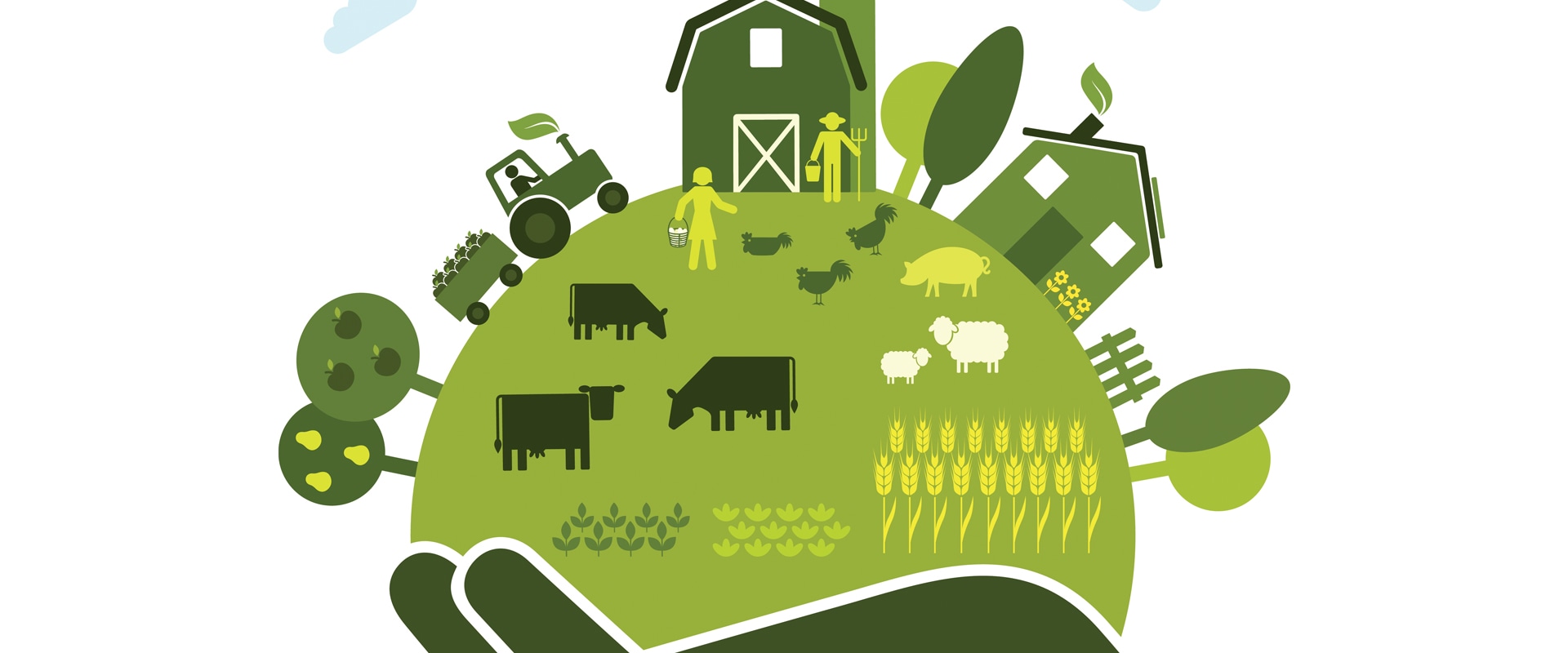
Sustainable farm systems represent a holistic approach to agriculture that prioritizes environmental health, economic viability, and social equity. At its core, sustainable farming seeks to produce food in a way that meets current needs without compromising the ability of future generations to meet their own. This method encompasses a variety of practices designed to enhance soil fertility, conserve water, and promote biodiversity, all while minimizing the use of synthetic chemicals and fossil fuels. The definition of sustainable farm systems extends beyond mere organic practices; it includes integrated pest management, crop rotation, and agroforestry, which collectively contribute to a resilient agricultural ecosystem. By focusing on these principles, farmers can create systems that not only yield high-quality produce but also restore and maintain the health of the land.
This is crucial in an era where conventional farming methods often lead to soil degradation and loss of biodiversity. One of the most significant benefits of sustainable agriculture is its positive impact on food quality. Foods produced through sustainable methods are often richer in nutrients and free from harmful pesticides, making them healthier options for consumers. Additionally, sustainable farm systems foster local economies by encouraging community-supported agriculture (CSA) initiatives and reducing the carbon footprint associated with transporting food over long distances. As consumers become increasingly aware of the importance of food quality and environmental sustainability, the demand for products from sustainable farm systems continues to grow.
The Relationship Between Farming Practices and Food Quality
The quality of food produced is significantly influenced by the farming practices employed.Conventional farming methods, which often rely on synthetic fertilizers and pesticides, can lead to a range of issues that affect food quality. These practices may increase crop yields in the short term, but they can also deplete soil health and reduce the nutritional value of the food produced.In contrast, sustainable farm systems prioritize ecological balance and long-term productivity. By utilizing organic fertilizers, crop rotation, and integrated pest management, these systems enhance soil fertility and biodiversity. This holistic approach not only improves the health of the crops but also contributes to higher levels of essential nutrients in the food.
Impact on Nutrition
Research has shown that produce grown through sustainable methods often contains higher concentrations of vitamins and minerals compared to conventionally grown counterparts.For instance, fruits and vegetables cultivated in nutrient-rich, organic soils tend to have increased levels of antioxidants, which are crucial for combating oxidative stress in the body.
Food Safety Considerations
Another critical aspect of food quality is safety. Sustainable farming practices reduce the reliance on harmful chemicals that can leave residues on food products. By minimizing chemical inputs, these systems not only protect consumer health but also promote a safer environment for farmworkers and surrounding communities.- Soil Health: Sustainable practices improve soil structure and fertility.
- Nutritional Value: Higher levels of vitamins and minerals in sustainably grown food.
- Reduced Chemical Residues: Lower risk of harmful substances in food products.
Nutritional Benefits of Food from Sustainable Farms
Food produced through sustainable farm systems offers numerous nutritional benefits that can significantly enhance overall health.These farming practices prioritize soil health, biodiversity, and ecological balance, which in turn contribute to the quality and nutrient density of the food produced.One of the primary advantages of sustainable agriculture nutrition is the increased levels of essential vitamins and minerals found in crops. Research indicates that fruits and vegetables grown in organic or sustainable systems often contain higher concentrations of antioxidants, vitamins A and C, and essential minerals like iron and magnesium. This is largely due to the natural fertilizers and compost used in these systems, which enrich the soil without the harmful chemicals found in conventional farming.Moreover, sustainable farms typically avoid synthetic pesticides and herbicides, leading to food that is not only healthier but also safer for consumption. The absence of these harmful chemicals reduces the risk of pesticide residues on produce, which can have adverse health effects over time.
Consumers can enjoy peace of mind knowing that their food is free from potentially harmful substances.Additionally, health benefits of sustainable food extend beyond just nutrition. Foods from sustainable farms are often fresher, as they are usually sold locally and consumed shortly after harvest. This freshness not only enhances flavor but also preserves more nutrients compared to food that has traveled long distances.In summary, choosing food from sustainable farm systems can lead to a diet rich in essential nutrients while minimizing exposure to harmful chemicals. By supporting these practices, consumers not only improve their own health but also contribute to a more sustainable food system that benefits the environment.
Environmental Impact and Its Relation to Food Quality
The relationship between sustainable farm systems and food quality is deeply intertwined with environmental health.By prioritizing practices that enhance soil health, promote biodiversity, and conserve water, these systems create a foundation for producing high-quality food.
Soil health
is a critical factor in determining the nutritional value of food. Sustainable farming techniques, such as crop rotation, cover cropping, and reduced tillage, help maintain and improve soil structure and fertility. Healthy soils are rich in organic matter and microorganisms, which contribute to the availability of essential nutrients for crops. As a result, produce grown in nutrient-dense soils tends to have higher levels of vitamins and minerals.Moreover, biodiversity plays a significant role in sustainable agriculture.Diverse ecosystems are more resilient to pests and diseases, reducing the need for chemical pesticides that can harm both the environment and human health. By fostering a variety of plants and animals on farms, sustainable systems not only enhance ecological balance but also improve the flavor and quality of food products. For instance, heirloom varieties of fruits and vegetables often exhibit superior taste profiles compared to their commercially bred counterparts.Water conservation is another vital aspect of sustainable farm systems. Efficient irrigation practices and rainwater harvesting techniques help ensure that crops receive adequate moisture without depleting local water resources.
This not only supports crop growth but also minimizes the risk of water contamination from runoff, which can adversely affect food safety.In summary, the environmental impact of sustainable farm systems directly influences food quality through improved soil health, enhanced biodiversity, and effective water management. By adopting these practices, farmers can produce food that is not only healthier for consumers but also better for the planet.
Consumer Perceptions and Market Trends in Sustainable Food
As awareness of environmental issues grows, consumer perceptions of sustainable farm systems have shifted significantly. Many consumers now prioritize sustainability when making food choices, leading to a notable increase in demand for sustainably produced food. This shift is not merely a trend; it reflects a deeper understanding of the impact that farming practices have on health, the environment, and local economies.Research indicates that consumers are willing to pay a premium for products labeled as organic or sustainably sourced.This willingness stems from a belief that sustainable farm systems produce food that is not only healthier but also more environmentally friendly. In fact, a survey conducted by the Food Marketing Institute found that over 70% of shoppers consider sustainability an important factor in their purchasing decisions.
Market Trends Driven by Consumer Demand
The rise in consumer interest has led to significant market trends favoring sustainable food options. Retailers are increasingly stocking organic and sustainably sourced products to meet this demand. According to the Organic Trade Association, organic food sales reached $62 billion in 2020, marking a 12.4% increase from the previous year.This growth illustrates how sustainable farm systems are not just a niche market but are becoming mainstream.
- Transparency: Consumers are seeking transparency in food production, wanting to know where their food comes from and how it is produced.
- Health Consciousness: There is a growing perception that sustainably produced food is healthier, leading to increased demand for organic options.
- Environmental Impact: Many consumers are motivated by concerns about climate change and environmental degradation, driving them towards sustainable choices.
Challenges Facing Sustainable Farm Systems
Sustainable farm systems are increasingly recognized for their potential to produce high-quality food while minimizing environmental impact.However, these systems face a myriad of challenges that can hinder their effectiveness and adoption.Economic Viability One of the primary barriers to sustainability in agriculture is the economic challenge. Many sustainable practices require significant upfront investment in terms of time and resources. For instance, transitioning to organic farming or implementing agroecological methods often necessitates a shift in traditional farming techniques, which can be costly. Farmers may struggle to justify these expenses, especially when immediate financial returns are uncertain.Policy Issues Another significant challenge is the lack of supportive policies.
Government regulations and subsidies often favor conventional farming practices, making it difficult for sustainable farms to compete. Without adequate policy support, such as grants or tax incentives for sustainable practices, farmers may be reluctant to adopt new methods that could benefit both their operations and the environment.Public Awareness The success of sustainable farm systems also hinges on public awareness and consumer demand. Many consumers remain unaware of the benefits associated with sustainably produced food, leading to lower market prices for these products. This lack of awareness can create a vicious cycle where low demand results in reduced investment in sustainable practices. In summary, while sustainable farm systems hold great promise for improving food quality and environmental health, they face significant challenges.
Addressing these issues requires a concerted effort from policymakers, consumers, and farmers alike to create an ecosystem that supports sustainable agriculture.
Future Trends in Sustainable Agriculture and Food Quality
The future of sustainable farm systems is poised to revolutionize food quality through innovative practices and technologies. As the global population continues to grow, the demand for high-quality, nutritious food will increase, necessitating advancements in agricultural methods.One of the most promising trends in sustainable agriculture is the integration of precision farming. This approach utilizes technology such as GPS, drones, and IoT devices to monitor crop health and soil conditions in real-time. By applying resources more efficiently, farmers can enhance crop yields while minimizing waste and environmental impact.Another significant trend is the rise of vertical farming.This innovative method allows for food production in urban areas, reducing transportation emissions and ensuring fresher produce. Vertical farms often use hydroponics or aeroponics, which can lead to higher nutrient retention in crops compared to traditional farming methods.
- Regenerative agriculture : This practice focuses on restoring soil health through techniques like cover cropping and crop rotation, which can improve the nutritional quality of food.
- Agroecology : By mimicking natural ecosystems, agroecological practices promote biodiversity and resilience, leading to healthier food systems.
- Biotechnology : Advances in genetic engineering can create crops that are more resistant to pests and diseases, potentially reducing the need for chemical inputs and enhancing food safety.
FAQs About Sustainable Farm Systems and Food Quality
As interest in sustainable farm systems grows, many people have questions about how these practices influence the quality of food produced.Here are some frequently asked questions that can help clarify this important topic.
What are sustainable farm systems?
Sustainable farm systems refer to agricultural practices that prioritize environmental health, economic profitability, and social equity. These systems often include crop rotation, organic farming, and integrated pest management, all aimed at reducing the ecological footprint of farming.How do sustainable farming practices affect food quality?
Research indicates that food produced through sustainable farm systems often has higher nutritional value. This is largely due to the use of organic fertilizers and natural pest control methods, which can enhance soil health and promote biodiversity. As a result, crops grown sustainably tend to be richer in vitamins and minerals.Are there misconceptions about sustainable agriculture?
- Myth: Sustainable farming is less productive than conventional farming.
- Fact: Many studies show that sustainable practices can yield comparable or even higher outputs over time due to improved soil health.
- Myth: All organic food is automatically sustainable.
- Fact: While organic farming is a component of sustainability, not all organic practices are equally beneficial for the environment or food quality.
Can consumers identify sustainably produced food?
Yes! Look for certifications such as USDA Organic or Fair Trade, which indicate adherence to sustainable practices.Additionally, local farmers' markets often feature products from sustainable farm systems, allowing consumers to ask questions directly about farming methods.Understanding these aspects of sustainable farm systems can empower consumers to make informed choices about the food they eat and its impact on their health and the environment.