Sustainable farm systems represent a transformative approach to agriculture that prioritizes ecological balance, economic viability, and social equity. At their core, these systems aim to produce food in a way that meets current needs without compromising the ability of future generations to meet theirs. This holistic perspective not only addresses the immediate demands of food production but also considers the long-term health of our planet and its inhabitants. The definition of sustainable farming encompasses a variety of practices designed to enhance soil health, conserve water, and promote biodiversity. By integrating techniques such as crop rotation, cover cropping, and agroforestry, sustainable farm systems create resilient ecosystems that naturally mitigate pests and diseases.
This reduces the reliance on synthetic pesticides and fertilizers, which can have detrimental effects on both the environment and human health. Moreover, the benefits of sustainable agriculture extend beyond environmental considerations. Farmers who adopt these practices often experience improved soil fertility and reduced input costs over time. By fostering a more balanced ecosystem, sustainable farm systems not only enhance productivity but also contribute to the overall well-being of rural communities. As we delve deeper into how these systems specifically reduce pesticide and fertilizer use, it becomes clear that embracing sustainability is not just an option; it is a necessity for the future of agriculture.
The Impact of Conventional Farming Practices
Conventional farming practices have long been the backbone of agricultural production, but they come with significant drawbacks, particularly in their reliance on chemical pesticides and fertilizers.These substances are often used to enhance crop yields and control pests, yet their widespread application has raised serious concerns regarding environmental sustainability.
Pesticide use
in conventional farming is primarily aimed at protecting crops from insects, weeds, and diseases. However, the overuse of these chemicals can lead to a range of negative consequences:- Soil Degradation: Continuous application of synthetic pesticides can disrupt the natural balance of soil microorganisms, leading to reduced soil fertility over time.
- Water Contamination: Runoff from treated fields can carry pesticides into nearby water bodies, harming aquatic ecosystems and contaminating drinking water sources.
- Biodiversity Loss: The indiscriminate use of pesticides can decimate non-target species, including beneficial insects like pollinators, which are crucial for ecosystem health.
- Nutrient Runoff: Excess fertilizers can leach into waterways, causing algal blooms that deplete oxygen levels and create dead zones.
- Soil Health Issues: Over-reliance on synthetic fertilizers can lead to nutrient imbalances in the soil, making it less resilient to pests and diseases.
- Greenhouse Gas Emissions: The production and application of chemical fertilizers contribute significantly to greenhouse gas emissions, exacerbating climate change.
Key Principles of Sustainable Farm Systems
Sustainable farm systems are built on a foundation of key principles that promote environmental health, economic viability, and social equity.These principles are essential for reducing the reliance on harmful pesticides and fertilizers, ultimately leading to more resilient agricultural practices.
- Biodiversity: One of the cornerstones of sustainable farming is the promotion of biodiversity. By cultivating a variety of crops and integrating livestock, farmers can create a balanced ecosystem that naturally controls pests and diseases. Diverse plant species attract beneficial insects and pollinators, which help maintain crop health without the need for chemical interventions.
- Soil Health: Healthy soil is vital for sustainable farm systems. Practices such as cover cropping, crop rotation, and reduced tillage enhance soil structure and fertility.
These methods increase organic matter in the soil, which improves its ability to retain moisture and nutrients. Healthy soil reduces the need for synthetic fertilizers, as it naturally supports plant growth.
- Ecological Balance: Sustainable farming emphasizes maintaining an ecological balance within the farm environment. This involves understanding the interactions between different organisms and their habitats. By fostering natural predators of pests and using organic amendments, farmers can minimize chemical inputs while promoting a self-sustaining ecosystem.
- Agroecology: The principles of agroecology play a significant role in sustainable farm systems.
This approach integrates ecological science with agricultural practices, focusing on local knowledge and community involvement. Agroecological methods prioritize resource conservation and aim to create farming systems that are both productive and environmentally friendly.
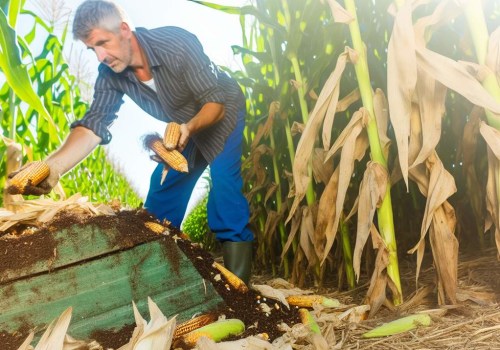
- Organic Farming Practices: Implementing organic farming practices is another vital principle of sustainable farm systems. These practices avoid synthetic chemicals and emphasize natural alternatives for pest control and fertilization. Techniques such as composting, biological pest control, and the use of organic fertilizers contribute to a healthier ecosystem while reducing chemical dependency.
Techniques Used in Sustainable Farming to Reduce Chemical Inputs
Sustainable farm systems employ a variety of techniques designed to minimize reliance on chemical inputs such as pesticides and fertilizers.These methods not only enhance soil health but also promote biodiversity, leading to more resilient agricultural ecosystems.
Crop Rotation
Crop rotation is a fundamental practice in sustainable farming that involves alternating the types of crops grown in a particular area across seasons. This technique helps break pest and disease cycles, reducing the need for chemical pesticides. For instance, planting legumes in rotation with cereals can naturally enhance soil nitrogen levels, decreasing the need for synthetic fertilizers.Integrated Pest Management (IPM)
Integrated Pest Management (IPM) is another critical approach that combines various strategies to manage pests effectively while minimizing chemical use. IPM includes monitoring pest populations, using biological control agents like beneficial insects, and employing cultural practices that deter pests.By focusing on prevention and natural solutions, farmers can significantly reduce their dependence on harmful pesticides.
Organic Fertilizers
The use of organic fertilizers, such as compost and manure, is a cornerstone of sustainable farming systems. These natural amendments not only provide essential nutrients to crops but also improve soil structure and microbial activity. By enhancing the soil's fertility naturally, farmers can reduce or eliminate the need for synthetic fertilizers, promoting a healthier ecosystem.In conclusion, techniques like crop rotation, integrated pest management, and the use of organic fertilizers are vital components of sustainable farm systems. By implementing these practices, farmers can effectively reduce their reliance on chemical inputs while fostering a more sustainable agricultural environment.Case Studies: Successful Sustainable Farm Systems
Across the globe, numerous farms have successfully adopted sustainable farm systems that significantly reduce the reliance on pesticides and fertilizers.These case studies not only demonstrate the effectiveness of sustainable practices but also serve as inspiration for other farmers looking to make a positive change.
1.Rodale Institute, Pennsylvania
The Rodale Institute has been a pioneer in organic farming research since 1947. Their long-term studies have shown that organic farming systems can produce yields comparable to conventional methods while using 50% less energy and 90% less synthetic fertilizers. By implementing crop rotation, cover cropping, and composting, they have enhanced soil health and biodiversity, leading to a natural reduction in pest populations.2.Polyface Farm, Virginia
Polyface Farm, managed by Joel Salatin, is renowned for its innovative approach to sustainable agriculture. The farm utilizes a pastured livestock system, where animals are rotated through different pastures. This method not only improves soil fertility but also reduces the need for chemical inputs.By allowing chickens to follow cattle, they naturally control pests and fertilize the land with their manure.
3.The Land Institute, Kansas
The Land Institute focuses on developing perennial grain crops that can thrive without the need for synthetic fertilizers or pesticides. Their research into perennial polycultures has shown promising results in terms of yield stability and reduced environmental impact. By mimicking natural ecosystems, these systems enhance soil health and resilience against pests.4.Singing Frogs Farm, California
Singing Frogs Farm is a small-scale operation that has achieved remarkable success through regenerative practices. They employ techniques such as no-till farming, cover cropping, and integrated pest management (IPM).As a result, they have seen a significant decrease in pest-related issues and have eliminated the need for chemical fertilizers altogether.These examples illustrate that sustainable farm systems are not only viable but also beneficial for both farmers and the environment. By adopting similar practices, more farms can contribute to a healthier ecosystem while maintaining productivity.
Challenges and Limitations of Sustainable Farm Systems
Transitioning to sustainable farm systems presents several challenges and limitations that can hinder farmers from fully adopting these practices. Understanding these barriers is crucial for developing effective solutions that promote wider adoption of sustainable agriculture.Economic Constraints
One of the primary challenges is the economic viability of sustainable farming. Many farmers face high initial costs associated with transitioning to organic practices, such as purchasing organic seeds, implementing crop rotation, and investing in new equipment.These upfront expenses can be a significant barrier, especially for small-scale farmers who operate on tight budgets.
Knowledge and Training Gaps
Another limitation is the lack of knowledge and training in sustainable practices. Farmers may not have access to adequate resources or education on how to implement sustainable farm systems. This gap can lead to uncertainty about the effectiveness of organic methods compared to conventional farming, causing reluctance to change.Pest and Disease Management
Managing pests and diseases without synthetic pesticides can also pose a challenge. While sustainable farm systems aim to reduce chemical inputs, farmers may struggle with pest outbreaks that are more easily controlled with conventional methods.This can lead to concerns about crop yields and profitability.
Market Access and Consumer Demand
Furthermore, market access for sustainably produced goods can be limited. Farmers may find it difficult to connect with consumers who are willing to pay a premium for organic products. Without sufficient demand, the incentive to transition to sustainable practices diminishes.Policy and Regulatory Barriers
Lastly, existing agricultural policies often favor conventional farming methods, creating regulatory barriers for those wishing to adopt sustainable farm systems. These policies may not provide adequate support or incentives for organic farming, making it challenging for farmers to navigate the transition.Addressing these challenges requires a concerted effort from policymakers, agricultural organizations, and the farming community to create supportive frameworks that facilitate the adoption of sustainable practices.Future Trends in Sustainable Agriculture
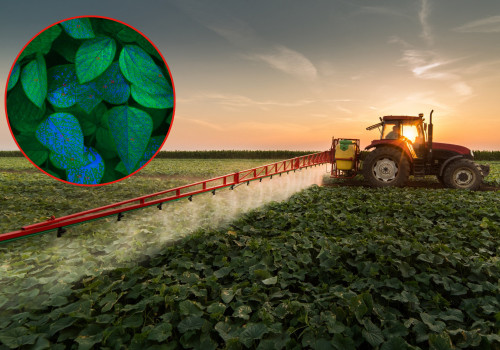
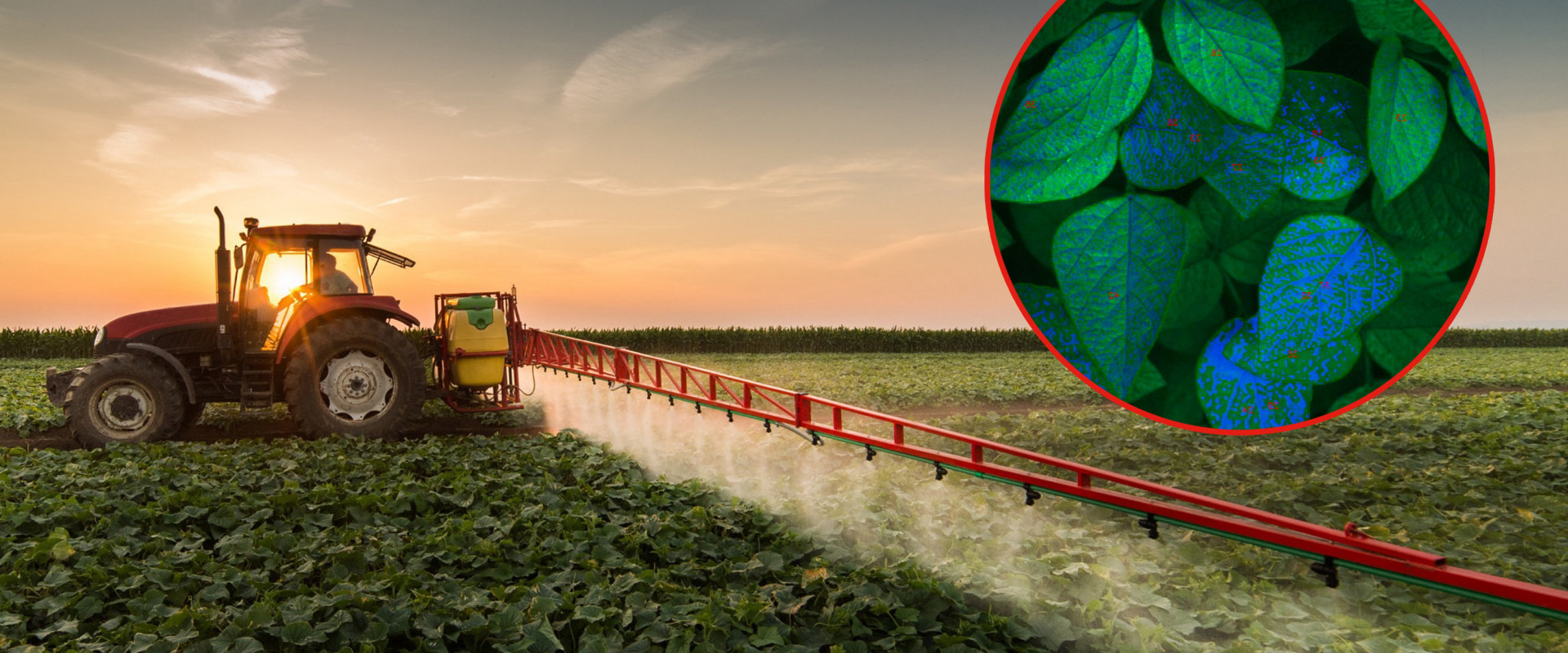
The future of sustainable farming is poised for significant transformation, driven by technological advancements and changing consumer preferences.As awareness of environmental issues grows, farmers are increasingly adopting practices that minimize the use of harmful pesticides and fertilizers.One of the most promising innovations in this field is the integration of precision agriculture. This approach utilizes data analytics, satellite imagery, and IoT devices to monitor crop health and soil conditions in real-time. By applying inputs only where needed, farmers can significantly reduce the amount of fertilizers and pesticides used, leading to more efficient resource management.Another trend gaining traction is the use of biological pest control. This method involves introducing natural predators or parasites to manage pest populations, reducing the need for chemical pesticides.
For instance, farmers are increasingly using ladybugs to control aphid populations or nematodes to combat soil-borne pests.Additionally, the rise of regenerative agriculture practices is reshaping how we think about farming. Techniques such as cover cropping, crop rotation, and agroforestry not only enhance soil health but also promote biodiversity. These practices can lead to a natural reduction in pest pressures and nutrient needs, allowing for a more sustainable approach to farming.Consumer preferences are also shifting towards organic and sustainably sourced products. As demand for organic farming increases, more farmers are transitioning away from synthetic inputs.
This shift not only benefits the environment but also opens up new market opportunities for producers committed to sustainable practices.In conclusion, the future of sustainable agriculture is bright, with innovations that promise to further reduce reliance on pesticides and fertilizers. By embracing technology and sustainable practices, farmers can meet consumer demands while protecting the environment for future generations.
Conclusion: The Path Forward for Sustainable Farming
In conclusion, the transition to sustainable farm systems represents a crucial step towards mitigating the environmental impacts of conventional agriculture. Throughout this article, we have explored how these systems not only reduce reliance on harmful pesticides and fertilizers but also promote biodiversity, enhance soil health, and improve water quality.By implementing practices such as crop rotation, cover cropping, and integrated pest management, farmers can create resilient ecosystems that naturally regulate pests and enrich the soil. These methods not only decrease the need for synthetic inputs but also foster a more balanced agricultural environment.Moreover, the adoption of sustainable farm systems contributes to food security by ensuring that farming practices are viable in the long term.As climate change continues to pose challenges to traditional farming methods, sustainable practices offer a pathway to adapt and thrive in changing conditions.To move forward, it is essential for policymakers, consumers, and farmers to collaborate in promoting sustainable agriculture. This includes supporting local farms that prioritize eco-friendly practices, investing in research for sustainable technologies, and advocating for policies that incentivize sustainable farming methods.Ultimately, embracing sustainable farm systems is not just an agricultural choice; it is a commitment to a healthier planet and a more equitable food system. By prioritizing sustainability in our farming practices, we can ensure that future generations inherit a world where food production coexists harmoniously with nature.