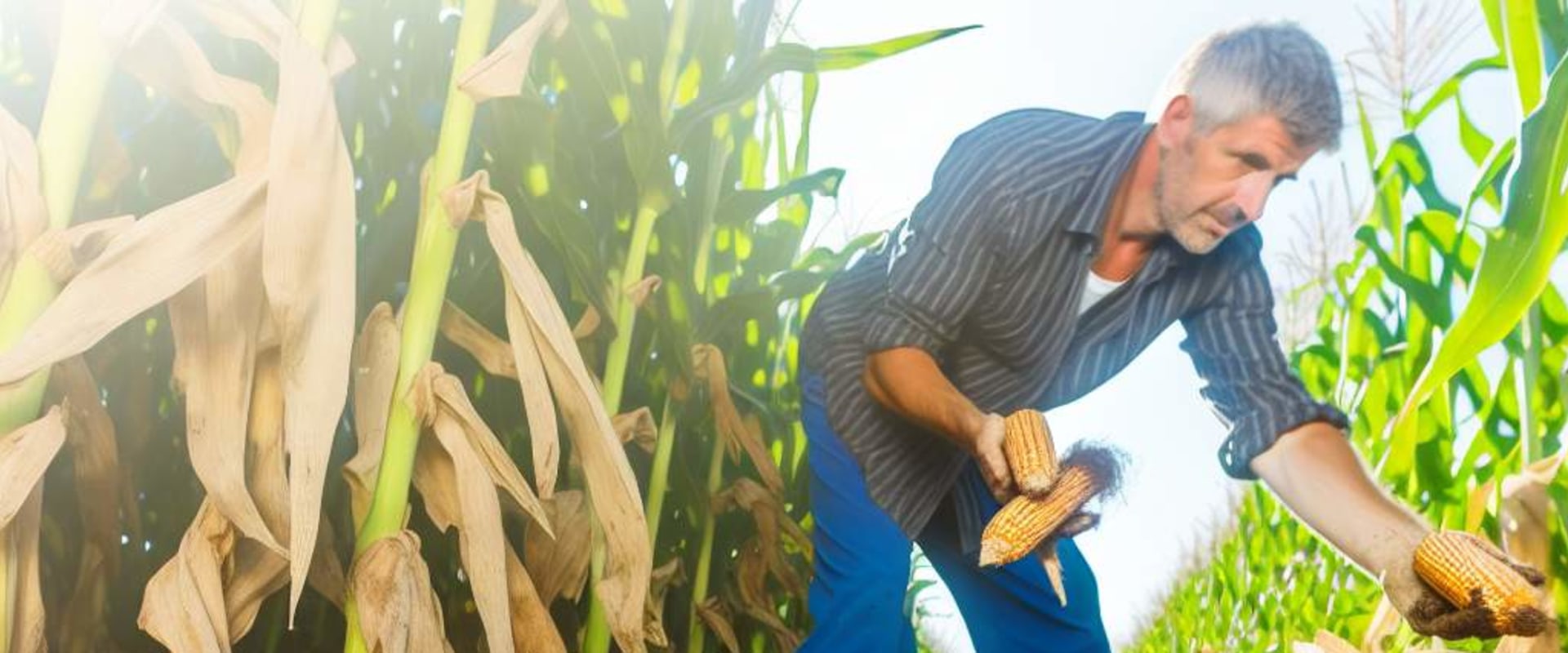
Sustainable farm systems represent a transformative approach to agriculture that prioritizes ecological balance, economic viability, and social equity. At its core, sustainable farming seeks to meet the needs of the present without compromising the ability of future generations to meet their own needs. This holistic method encompasses a variety of practices designed to enhance soil health, conserve water, and promote biodiversity, all while ensuring that farmers can maintain a profitable livelihood. The definition of sustainable farm systems extends beyond mere environmental stewardship; it also addresses critical issues such as food waste and food insecurity. By implementing practices like crop rotation, agroforestry, and organic farming, these systems not only reduce waste but also increase the resilience of food production against climate change and market fluctuations.
This resilience is essential in a world where millions still face hunger and malnutrition. Moreover, the benefits of sustainable agriculture are manifold. They include improved soil fertility, reduced reliance on chemical inputs, and enhanced community engagement. As consumers become more aware of the origins of their food, sustainable farm systems offer a transparent alternative that fosters trust and encourages local economies. In this context, understanding sustainable farm systems is crucial for anyone interested in the future of food security and environmental health.
The Impact of Food Waste on Food Insecurity
Food waste is a pressing issue that significantly contributes to food insecurity across the globe.According to the Food and Agriculture Organization (FAO), approximately one-third of all food produced for human consumption is wasted, amounting to about 1.3 billion tons annually. This staggering statistic not only highlights the inefficiencies in our food systems but also underscores the potential resources that could alleviate hunger.The relationship between food waste and food insecurity is complex and multifaceted. Food insecurity arises from various causes, including poverty, lack of access to nutritious food, and systemic inequalities. However, when food is wasted, it exacerbates these issues by diverting resources away from those who need them most.
For instance, the energy, water, and labor used to produce wasted food could have been redirected to support food-insecure populations.To illustrate this connection further, consider the following statistics:
- In the United States alone, around 40% of food is wasted, which translates to approximately 119 billion pounds of food each year.
- This waste costs the economy about $408 billion annually while simultaneously leaving millions of Americans without reliable access to sufficient food.
- Households with lower incomes are disproportionately affected by food waste; they often lack the means to purchase fresh produce regularly, leading to a cycle of waste and hunger.
How Sustainable Farm Systems Reduce Food Waste
Sustainable farm systems play a crucial role in reducing food waste through various innovative practices that not only enhance productivity but also promote environmental stewardship.By implementing these practices, farmers can significantly minimize the amount of food that goes uneaten and wasted.
Composting
is one of the most effective methods employed in sustainable farming. Instead of discarding organic waste, farmers convert it into nutrient-rich compost. This process not only reduces the volume of waste sent to landfills but also enriches the soil, improving its health and fertility. By returning nutrients to the earth, composting helps create a closed-loop system where waste is transformed into a valuable resource.Another essential practice is crop rotation.
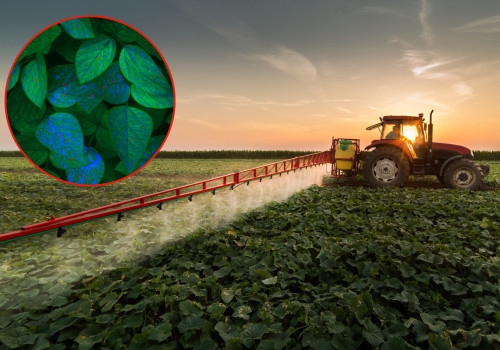
This technique involves alternating the types of crops grown in a particular area across seasons. Crop rotation helps prevent soil depletion and reduces pest and disease cycles, leading to healthier crops. When crops are healthier, they are less likely to be discarded due to spoilage or disease, thereby reducing overall food waste.Efficient resource management is also vital in sustainable farm systems. By utilizing precision agriculture techniques, farmers can optimize water usage and fertilizer application, ensuring that crops receive exactly what they need for growth without excess runoff or waste.
This careful management not only conserves resources but also enhances crop yields, further decreasing the likelihood of surplus food going to waste.In addition to these practices, sustainable farms often engage in community initiatives such as food recovery programs. These programs connect farmers with local food banks and charities, allowing them to donate surplus produce that might otherwise go unsold or unharvested. Such collaborations not only help reduce food waste but also address food insecurity by providing fresh produce to those in need.In summary, sustainable farm systems employ a variety of strategies—such as composting, crop rotation, and efficient resource management—to effectively reduce food waste. By integrating these practices into their operations, farmers contribute to a more sustainable food system that benefits both the environment and society.
Enhancing Food Security Through Sustainable Practices
Sustainable farm systems play a crucial role in enhancing food security by fostering local food production and improving access to fresh produce.By prioritizing local food systems, these practices reduce the distance food travels from farm to table, which not only minimizes carbon emissions but also ensures that communities have access to nutritious options.One of the key benefits of sustainable agriculture is its ability to create resilient communities. When local farmers engage in sustainable practices, they often cultivate a diverse range of crops, which can help mitigate the risks associated with monoculture farming. This diversity not only supports biodiversity but also provides a more stable food supply, reducing the likelihood of shortages that can lead to food insecurity.Moreover, sustainable farm systems often incorporate community-supported agriculture (CSA) models, where consumers directly support local farmers by purchasing shares of their harvests. This model not only strengthens the economic viability of local farms but also fosters a sense of community and connection between consumers and producers.
As a result, individuals are more likely to prioritize purchasing locally grown food, which can lead to improved dietary habits and overall health.Additionally, sustainable practices such as crop rotation, organic farming, and permaculture enhance soil health and productivity. Healthy soils are essential for growing nutrient-dense foods, which are vital for combating food insecurity. By investing in soil health, sustainable farm systems ensure that communities can produce enough food to meet their needs while also preserving the environment for future generations.In conclusion, sustainable farm systems are integral to addressing food security challenges. By promoting local food production, improving access to fresh produce, and supporting community resilience, these systems not only provide immediate benefits but also lay the groundwork for a more secure and sustainable food future.
Case Studies: Successful Sustainable Farm Systems in Action
Across the globe, numerous sustainable farm systems have emerged as effective models for tackling food waste and insecurity.These case studies illustrate innovative practices that not only enhance food production but also minimize waste.
1.The Urban Farm Initiative in Detroit
In Detroit, the Urban Farm Initiative has transformed vacant lots into productive urban farms. By utilizing hydroponic systems and vertical farming techniques, they maximize space and yield. This initiative not only provides fresh produce to local communities but also implements a composting program that reduces organic waste. The result is a significant decrease in food waste while simultaneously addressing food deserts in the area.2.The Community Supported Agriculture (CSA) Model
The CSA model, exemplified by farms like Green City Growers in Cleveland, Ohio, connects consumers directly with farmers.Members pay upfront for a share of the harvest, which encourages farmers to grow a diverse range of crops. This model reduces surplus produce that often goes to waste and ensures that community members receive fresh, seasonal food. Additionally, unsold produce is often donated to local food banks, further combating food insecurity.
3.Regenerative Agriculture Practices in California
In California, farms such as Farming for the Future employ regenerative agriculture practices that focus on soil health and biodiversity. By rotating crops and integrating livestock, these farms enhance soil fertility and reduce reliance on chemical fertilizers.This holistic approach not only increases crop resilience but also minimizes food loss due to pests and diseases. Furthermore, surplus produce is processed into value-added products, reducing waste while providing additional income streams for farmers.These case studies highlight how sustainable farm systems can effectively address the dual challenges of food waste and insecurity through innovative practices and community engagement. By learning from these examples, other regions can adopt similar strategies to create resilient food systems.
Challenges Facing Sustainable Farm Systems
Sustainable farm systems are designed to promote environmental health, economic profitability, and social equity. However, they face several challenges that hinder their effectiveness in addressing food waste and food insecurity.Economic Constraints
One of the primary barriers to implementing sustainable farming practices is the economic factors involved.Many farmers operate on tight margins, making it difficult to invest in sustainable technologies or practices that may have higher upfront costs. For instance, transitioning to organic farming or adopting precision agriculture techniques can require significant financial investment, which not all farmers can afford.
Policy Issues
In addition to economic constraints, policy issues play a crucial role in the challenges faced by sustainable farm systems. Current agricultural policies often favor large-scale industrial farming operations, which can lead to a lack of support for smaller, sustainable farms. This imbalance can perpetuate food waste as larger operations may prioritize efficiency over sustainability, resulting in surplus production that goes unutilized.Barriers to Reducing Food Waste
Another significant challenge is the barriers to reducing food waste.Sustainable farm systems often produce diverse crops that may not fit into conventional supply chains. This can lead to excess produce that is not harvested or sold, contributing to food waste. Additionally, consumer preferences for aesthetically perfect fruits and vegetables can further exacerbate this issue, as many perfectly edible items are discarded simply due to their appearance.To effectively combat food insecurity and reduce waste, it is essential for sustainable farm systems to navigate these challenges through innovative solutions and supportive policies. Collaboration among farmers, policymakers, and consumers is vital in creating a more resilient agricultural system that prioritizes sustainability.
Future Trends in Sustainable Agriculture and Food Security
As we look to the future, sustainable farm systems are poised to play a crucial role in addressing the dual challenges of food waste and food insecurity.Innovations in agriculture are emerging that not only enhance productivity but also minimize waste and improve food distribution.
Precision agriculture
is one such innovation that leverages technology to optimize farming practices. By utilizing data analytics, farmers can make informed decisions about planting, watering, and harvesting, which leads to reduced overproduction and waste. Drones and satellite imagery provide real-time insights into crop health, allowing for timely interventions that can prevent losses.Another promising trend is the rise of vertical farming. This method allows for the cultivation of crops in stacked layers, often in urban settings.By bringing food production closer to consumers, vertical farms can significantly reduce transportation-related waste and ensure fresher produce reaches the market. Additionally, these systems often use hydroponics or aeroponics, which require less water than traditional farming methods.
Food recovery networks
are also gaining traction as a means to combat food waste. These networks connect farms with local food banks and charities, ensuring that surplus produce is redirected to those in need rather than being discarded. By fostering partnerships between farmers and community organizations, these initiatives not only reduce waste but also address food insecurity directly.Moreover, advancements in biotechnology are paving the way for crops that are more resilient to climate change and pests.These genetically modified organisms (GMOs) can lead to higher yields and lower losses due to environmental factors. As public acceptance grows, these technologies could become integral to sustainable farming practices.In conclusion, the future of sustainable farm systems is bright with potential innovations that promise to tackle food waste and insecurity head-on. By embracing technology and fostering community connections, we can create a more resilient food system that benefits both producers and consumers alike.