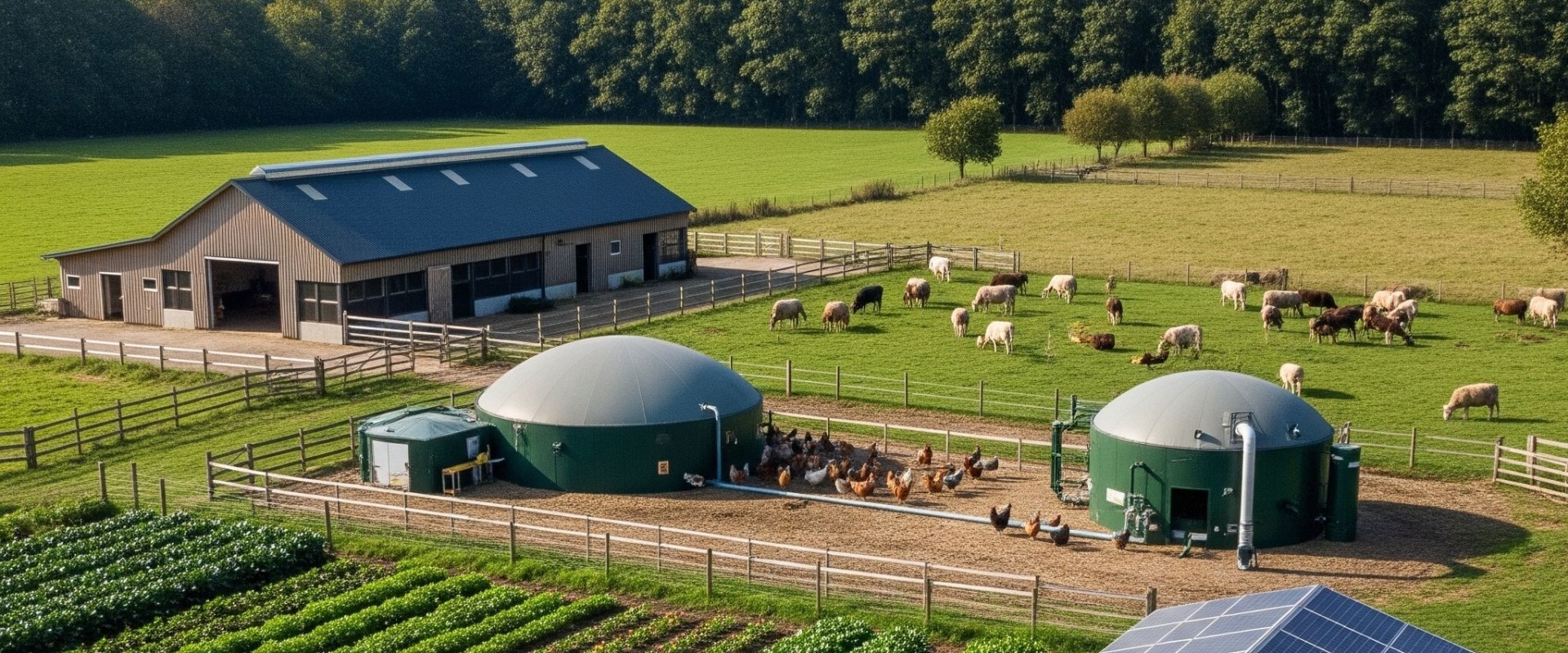
Sustainable farm systems represent a transformative approach to agriculture that prioritizes ecological balance, economic viability, and social equity. At their core, these systems aim to produce food in a way that conserves resources, enhances biodiversity, and minimizes environmental impact. By integrating practices such as crop rotation, organic farming, and agroforestry, sustainable farm systems not only address the immediate needs of food production but also ensure the long-term health of the planet. The importance of sustainable farming extends beyond environmental concerns; it encompasses significant economic benefits as well. As consumers increasingly demand products that are ethically sourced and environmentally friendly, farmers who adopt sustainable practices can tap into new markets and potentially command higher prices for their goods.
This shift not only supports local economies but also fosters resilience against market fluctuations and climate-related challenges. Moreover, sustainable farm systems contribute to reducing costs associated with inputs like fertilizers and pesticides. By utilizing natural methods of pest control and soil enrichment, farmers can lower their dependency on expensive chemical inputs, leading to improved profit margins. In this way, the economic impact of sustainable agriculture is profound, offering a pathway to not only feed a growing population but also to create a more equitable and sustainable food system for future generations.
Cost Savings Through Sustainable Practices
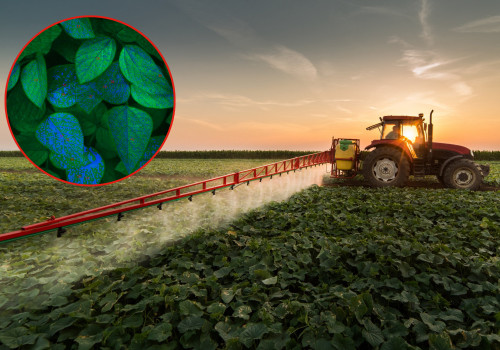
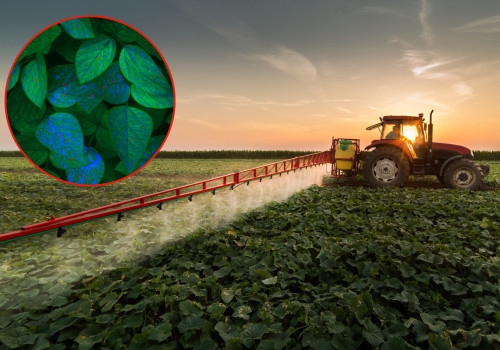
Implementing sustainable farm systems can lead to substantial cost savings for farmers, primarily through reduced input costs and improved resource management. By adopting practices such as crop rotation, cover cropping, and integrated pest management, farmers can minimize their reliance on expensive chemical fertilizers and pesticides.One of the most significant ways to achieve economic efficiency in agriculture is through the reduction of input costs.For instance, using organic fertilizers derived from compost or manure not only enriches the soil but also decreases the need for synthetic alternatives. This shift not only cuts costs but also enhances soil health over time.Moreover, sustainable farm systems often emphasize efficient water management techniques. Implementing drip irrigation or rainwater harvesting systems can drastically reduce water usage and lower utility bills. These methods not only conserve a vital resource but also ensure that crops receive the right amount of moisture, leading to better yields.Another area where farmers can see cost savings is through energy efficiency.
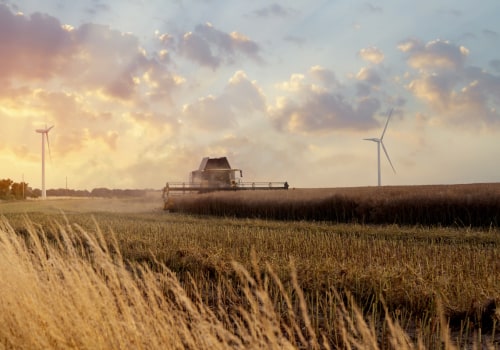
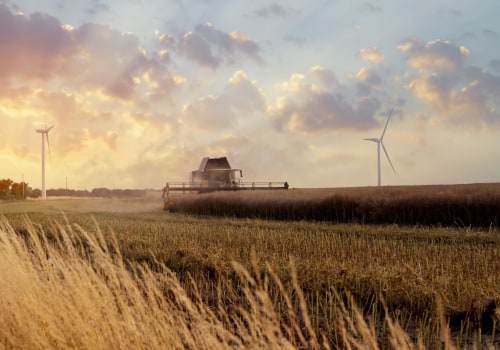
By utilizing renewable energy sources such as solar panels or wind turbines, farms can significantly reduce their energy expenses. Additionally, energy-efficient machinery and equipment can lower fuel consumption, further contributing to overall savings.In summary, the transition to sustainable farm systems offers numerous financial benefits. By focusing on reducing input costs, managing resources efficiently, and lowering energy consumption, farmers not only enhance their profitability but also contribute to a more sustainable agricultural future.
Increased Crop Yields and Quality
Implementing sustainable farm systems can significantly enhance both the crop yields and the overall quality of produce. By adopting practices such as crop rotation, organic fertilization, and integrated pest management, farmers can create a more resilient agricultural ecosystem that not only boosts productivity but also improves the nutritional value of their crops.One of the primary economic benefits of higher yields is the potential for increased profitability.When farmers produce more crops per acre, they can sell a greater volume in the market, which often leads to better prices due to supply and demand dynamics. Additionally, high-quality produce tends to attract premium prices, especially in markets that prioritize organic or sustainably sourced products.
Enhanced Soil Health
Sustainable farming practices contribute to improved soil health, which is crucial for long-term agricultural success. Healthy soil retains moisture better and is more fertile, leading to higher yields over time. Techniques such as cover cropping and reduced tillage help maintain soil structure and prevent erosion, ensuring that farmers can continue to produce high-quality crops year after year.Market Demand for Quality
As consumers become increasingly aware of the benefits of sustainably produced food, there is a growing demand for high-quality agricultural products.Farmers who implement sustainable farm systems are well-positioned to meet this demand, as their practices often result in superior taste and nutritional content. This not only enhances customer satisfaction but also fosters brand loyalty, allowing farmers to command higher prices for their goods.In conclusion, the economic benefits of implementing sustainable farm systems are clear. By focusing on increasing crop yields and improving the quality of produce, farmers can achieve greater profitability while contributing to a healthier environment. The shift towards sustainability is not just an ethical choice; it is a smart economic strategy that can lead to long-term success in the agricultural sector.
Market Demand for Sustainable Products
The demand for sustainable farm systems has surged in recent years, driven by a growing awareness among consumers about the environmental and health impacts of their food choices.This shift in consumer preferences is not just a trend; it represents a fundamental change in how people view agriculture and food production.As more consumers seek out organic products and sustainably sourced goods, farmers who adopt sustainable practices are finding themselves at a significant advantage. The market for organic food alone has seen exponential growth, with sales reaching over $50 billion in the United States in recent years. This increase reflects a broader movement towards health-conscious and environmentally friendly consumption.
Economic Opportunities in Sustainable Farming
The rise in market demand for sustainable products opens up numerous economic opportunities for farmers. By transitioning to sustainable farm systems, farmers can tap into niche markets that often offer higher price points compared to conventional products.For instance, consumers are willing to pay a premium for organic fruits and vegetables, which can significantly boost farmers' profit margins.
- Direct-to-Consumer Sales: Farmers can engage in direct sales through farmers' markets, community-supported agriculture (CSA) programs, and online platforms, allowing them to retain more of the profits.
- Diverse Crop Production: Implementing sustainable practices often encourages crop diversity, which can lead to resilience against market fluctuations and pest pressures.
- Brand Loyalty: Consumers are increasingly loyal to brands that prioritize sustainability, leading to repeat business and long-term customer relationships.
Access to Financial Incentives and Support
Implementing sustainable farm systems not only benefits the environment but also opens up a range of financial incentives and support mechanisms for farmers. These incentives can significantly enhance the economic viability of adopting sustainable practices.Grants for Sustainable Agriculture
- The U.S.
Department of Agriculture (USDA) offers various grant programs aimed at promoting sustainable agriculture. These grants can help cover the costs associated with transitioning to more sustainable practices.
- Organizations such as the Sustainable Agriculture Research and Education (SARE) program provide funding for innovative projects that enhance sustainability on farms.
Subsidies and Tax Incentives
- Many states offer subsidies for farmers who implement sustainable farming practices, such as organic farming or conservation tillage. These subsidies can offset initial costs and encourage more farmers to make the switch.
- Tax incentives are also available in some regions, allowing farmers to deduct expenses related to sustainable practices from their taxable income, further improving their financial situation.
Low-Interest Loans
- Farmers can access low-interest loans specifically designed for those looking to invest in sustainable technologies or practices. These loans often come with favorable repayment terms, making them an attractive option for many.
- Programs like the USDA's Farm Service Agency (FSA) provide financial assistance to help farmers adopt sustainable methods, ensuring they have the necessary capital to invest in their operations.
Government Support Programs
- Various government programs are dedicated to supporting farmers who choose to implement sustainable farm systems.
This includes technical assistance, educational resources, and access to research that can help improve farm productivity while maintaining sustainability.
- Additionally, local and state governments may offer programs tailored to specific regions, providing targeted support that aligns with local agricultural needs and sustainability goals.
Long-term Economic Resilience
Implementing sustainable farm systems plays a crucial role in fostering long-term economic resilience for farmers and agricultural communities. By adopting practices that prioritize environmental health, these systems not only enhance productivity but also mitigate risks associated with market fluctuations and climate change.One of the primary advantages of sustainable farming is its ability to reduce dependency on external inputs, such as synthetic fertilizers and pesticides. This reduction leads to lower operational costs, allowing farmers to maintain profitability even during periods of price volatility.Furthermore, sustainable practices often improve soil health and biodiversity, which can result in higher yields over time, contributing to a more stable income.
- Diversification of crops: Sustainable farm systems encourage crop rotation and diversification, which can protect farmers from the financial impacts of crop failure due to pests or adverse weather conditions.
- Access to new markets: As consumer demand for organic and sustainably produced goods rises, farmers who implement sustainable practices can tap into premium markets, enhancing their profit margins.
- Resilience to climate change: By focusing on soil conservation and water management, sustainable farms are better equipped to withstand extreme weather events, reducing the risk of significant financial losses.
By investing in sustainability today, farmers can secure their livelihoods for future generations.
Community Economic Development Through Sustainable Farming
Implementing sustainable farm systems can significantly contribute to community economic development by fostering a robust local economy. These systems not only provide fresh produce but also create numerous job opportunities, which are essential for community growth.Job Creation
: Sustainable farms often require a diverse range of skills, from agricultural practices to marketing and distribution. This demand leads to the creation of jobs in various sectors, including:- Agricultural labor
- Food processing
- Retail and sales
- Transportation and logistics
Support for Local Businesses
: Sustainable farming practices often emphasize the importance of local supply chains. By sourcing materials and services from nearby businesses, sustainable farms can:- Strengthen local suppliers and vendors
- Encourage collaboration among businesses
- Keep money circulating within the community
Social Impact
: Beyond economic benefits, sustainable farm systems contribute to the overall well-being of communities.They promote:
- Access to healthy food options, improving public health
- Educational opportunities through workshops and farm tours
- A stronger community bond as residents engage in local farming initiatives
Challenges and Considerations in Transitioning to Sustainable Systems
Transitioning to sustainable farm systems presents a unique set of challenges that farmers must navigate to fully realize the economic benefits associated with these practices. Understanding these barriers is crucial for effective planning and implementation.Common Challenges in Transitioning
- Initial Investment Costs: One of the most significant hurdles is the upfront financial investment required for new technologies, equipment, and training. Farmers may need to allocate funds for organic seeds, soil amendments, or renewable energy sources, which can strain budgets.
- Knowledge and Training Gaps: Many farmers lack access to information or training on sustainable practices. This knowledge gap can hinder their ability to implement effective strategies that enhance productivity while minimizing environmental impact.
- Market Access: Sustainable products often require different marketing strategies.
Farmers may struggle to find markets willing to pay premium prices for sustainably produced goods, limiting their potential economic returns.
- Regulatory Barriers: Navigating the complex landscape of agricultural regulations can be daunting. Farmers may face challenges in meeting certification requirements for organic or sustainable labels, which can deter them from pursuing these practices.
Overcoming Barriers
Despite these challenges, there are several strategies that farmers can employ to facilitate a smoother transition:- Financial Assistance: Seeking grants, loans, or subsidies specifically aimed at supporting sustainable agriculture can alleviate some of the financial burdens associated with transitioning.
- Education and Training Programs: Participating in workshops and training sessions can equip farmers with the necessary skills and knowledge to implement sustainable practices effectively.
- Building Networks: Collaborating with other farmers and joining cooperatives can provide access to shared resources, market opportunities, and collective bargaining power.
- Engaging with Consumers: Direct marketing strategies such as farmers' markets or community-supported agriculture (CSA) programs can help farmers connect with consumers who value sustainability, thus enhancing market access.
FAQs About Economic Benefits of Sustainable Farm Systems
Understanding the economic benefits of sustainable farm systems can help clarify why many farmers are transitioning to these practices. Here are some frequently asked questions that address common concerns and misconceptions:What are the primary economic benefits of sustainable farming?
The primary economic benefits of sustainable farm systems include:- Cost Savings: Sustainable practices often lead to reduced input costs, such as fertilizers and pesticides, which can significantly lower overall expenses.
- Increased Resilience: Farms that implement sustainable methods tend to be more resilient to market fluctuations and climate change, ensuring more stable income over time.
- Higher Market Demand: There is a growing consumer preference for sustainably produced goods, allowing farmers to potentially charge premium prices for their products.
How does sustainable farming impact local economies?
Sustainable farm systems can positively influence local economies in several ways:- Job Creation: These systems often require more labor-intensive practices, leading to increased job opportunities in rural areas.
- Support for Local Businesses: By sourcing materials locally and selling directly to consumers, sustainable farms can stimulate local economies and strengthen community ties.
Are there any initial costs associated with transitioning to sustainable farming?
While there may be initial costs related to transitioning to sustainable farm systems, such as investing in new equipment or training, these costs are often offset by long-term savings and increased profitability. Many farmers find that the transition leads to greater efficiency and productivity over time.In conclusion, understanding the economic benefits of sustainable farming is crucial for both farmers and consumers.By addressing these common questions, we can foster a better appreciation for the role of sustainability in agriculture.