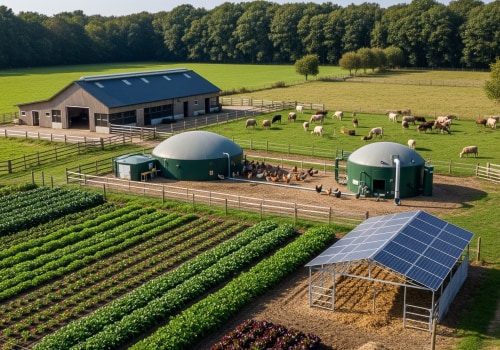
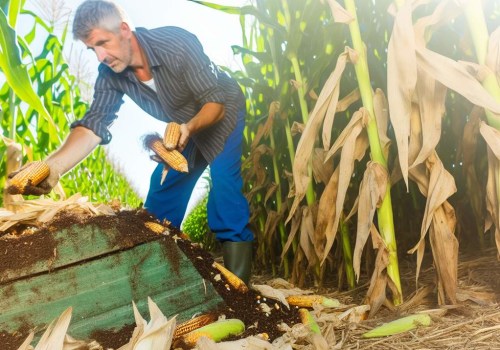
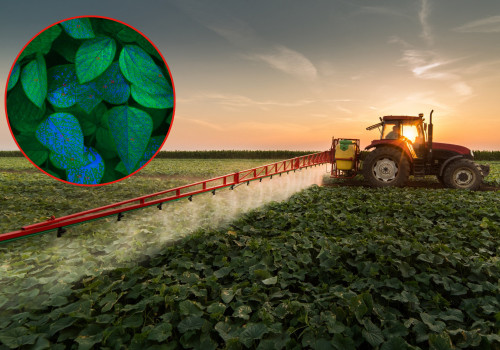
Sustainable farm systems represent a holistic approach to agriculture that prioritizes environmental health, economic viability, and social equity. At its core, sustainable farming seeks to meet the needs of the present without compromising the ability of future generations to meet their own needs. This concept encompasses a variety of practices designed to enhance soil fertility, conserve water, and promote biodiversity, all while ensuring that farming remains profitable for local communities. One of the key principles of sustainable farm systems is the integration of ecological processes into agricultural practices. This includes crop rotation, agroforestry, and organic farming techniques that work in harmony with nature rather than against it.
By reducing reliance on synthetic fertilizers and pesticides, sustainable agriculture not only protects the environment but also improves the quality of food produced. The benefits extend beyond just environmental health; they also foster stronger local economies by supporting small-scale farmers and creating jobs within the community. Moreover, sustainable farm systems contribute to social well-being by promoting food security and access to nutritious food. Communities engaged in sustainable agriculture often see a revitalization of local food systems, which can lead to healthier populations and reduced reliance on imported goods. As awareness grows around the importance of sustainability in agriculture, more communities are recognizing the profound impact these systems can have on their overall quality of life.
Economic Benefits of Sustainable Farm Systems
Sustainable farm systems play a crucial role in enhancing the local economy by fostering economic growth and resilience.By prioritizing environmentally friendly practices, these farms not only produce food but also create a ripple effect that benefits the entire community.
Job creation
is one of the most significant impacts of sustainable farming. Unlike conventional farming, which often relies on mechanization and large-scale operations, sustainable farms typically require more hands-on labor. This translates into a greater number of job opportunities for local residents, ranging from farm workers to roles in processing, distribution, and retail.Moreover, sustainable farms often source their materials and services locally. This practice supports local businesses, such as suppliers of organic seeds, fertilizers, and equipment.When farmers purchase from nearby vendors, they help keep money circulating within the community, which can lead to further economic development.Additionally, sustainable farm systems contribute to economic resilience. By diversifying crops and employing practices that enhance soil health, these farms are better equipped to withstand economic fluctuations and climate challenges. This resilience not only protects farmers' livelihoods but also ensures a stable food supply for the community.In summary, the economic benefits of sustainable farm systems extend beyond the fields. They create jobs, support local businesses, and enhance the overall economic stability of communities.
As more consumers seek out sustainably produced goods, the demand for these farms will likely continue to grow, further solidifying their role in local economies.
Social Impacts on Local Communities
Sustainable farm systems play a crucial role in enhancing the social fabric of local communities. By prioritizing environmentally friendly practices, these systems not only contribute to ecological health but also foster a sense of community engagement and collaboration among residents.Community Engagement in Agriculture
- Sustainable farming encourages local participation through community-supported agriculture (CSA) programs, where residents can buy shares of the harvest directly from farmers.
- Workshops and farm tours often organized by sustainable farms help educate the public about agricultural practices, promoting a deeper understanding of food production.
- These initiatives create opportunities for social interaction, strengthening community ties and fostering a collective identity centered around local food systems.
Health Impacts of Local Food Systems
- Access to fresh, locally grown produce significantly improves the nutritional quality of diets within communities, leading to better health outcomes.
- Studies have shown that communities engaged in sustainable farming experience lower rates of diet-related diseases, such as obesity and diabetes, due to increased availability of healthy food options.
- Moreover, local food systems often reduce the carbon footprint associated with transportation, contributing to overall community health by minimizing pollution.
Enhanced Food Security
Sustainable farm systems also bolster food security by diversifying local food sources. This diversification helps mitigate the risks associated with relying on external food supplies, particularly during economic downturns or natural disasters. By investing in local agriculture, communities can ensure a more resilient food system that meets their needs effectively.In conclusion, the social impacts of sustainable farm systems extend beyond mere agricultural practices; they cultivate a vibrant community spirit, promote health and well-being, and enhance food security for all residents.
As these systems continue to grow, their positive influence on local communities will undoubtedly expand, creating a more sustainable future for everyone involved.
Environmental Benefits and Community Well-being
Sustainable farm systems play a crucial role in enhancing the environmental health of local communities, which in turn fosters their overall well-being. By prioritizing practices that protect natural resources, these systems contribute significantly to the environmental impact of agriculture.One of the primary benefits of sustainable farming is its ability to promote biodiversity. Diverse ecosystems are essential for maintaining soil health, pest control, and pollination. Sustainable farms often incorporate a variety of crops and livestock, which not only enriches the local ecosystem but also provides a buffer against pests and diseases.This diversity can lead to more resilient agricultural systems that are better equipped to withstand climate change.Moreover, sustainable farm systems actively combat climate change by reducing greenhouse gas emissions through practices such as crop rotation, cover cropping, and reduced tillage. These methods enhance soil carbon sequestration, which is vital for mitigating climate impacts. As local farmers adopt these practices, they contribute to a healthier environment that benefits the entire community.The environmental advantages of sustainable farming extend beyond just ecological health; they also enhance community well-being. Clean air and water, reduced pollution, and improved soil quality lead to healthier living conditions for residents.
Furthermore, communities engaged in sustainable agriculture often experience increased food security as local food systems become more resilient and less dependent on external supply chains.In summary, the integration of sustainable farm systems not only addresses pressing environmental issues but also strengthens the fabric of local communities by promoting health, resilience, and sustainability.
Challenges Faced by Sustainable Farm Systems
Sustainable farm systems, while beneficial for local communities, face a myriad of challenges that can hinder their growth and effectiveness. Understanding these barriers is crucial for developing strategies to support sustainable agriculture.Economic Viability
One of the primary challenges is the economic viability of sustainable farms. Many sustainable practices require higher initial investments in terms of labor, organic inputs, and technology. This can make it difficult for farmers to compete with conventional farms that benefit from economies of scale and government subsidies.As a result, many sustainable farmers struggle to maintain profitability, which can lead to a reliance on off-farm income or financial assistance.
Market Access
Another significant barrier is market access. Sustainable farm systems often produce niche products that may not have established markets. Farmers may find it challenging to connect with consumers who prioritize sustainability, especially in areas where conventional farming dominates. Additionally, the lack of infrastructure for distributing organic products can limit their reach and profitability.Policy Support
Policy support is also critical for the success of sustainable agriculture.Unfortunately, many existing agricultural policies favor conventional farming practices, making it difficult for sustainable farms to thrive. Without adequate support from local and federal governments, including grants, subsidies, and favorable regulations, sustainable farmers may find it challenging to scale their operations or innovate.In conclusion, while sustainable farm systems offer numerous benefits to local communities, addressing these challenges is essential for their long-term success. By focusing on economic viability, improving market access, and advocating for supportive policies, stakeholders can help create a more favorable environment for sustainable agriculture.
Case Studies: Successful Sustainable Farm Systems in Action
Across the United States, numerous sustainable farm systems have emerged as beacons of hope for local communities, demonstrating how agriculture can thrive while enhancing social and environmental well-being. Here are a few notable case studies that illustrate the profound impact of these systems.1.The Rodale Institute, Pennsylvania
The Rodale Institute has been a pioneer in organic farming research since 1947. Their sustainable farm system focuses on regenerative practices that improve soil health and biodiversity.By providing educational programs and workshops, they empower local farmers to adopt sustainable methods. This initiative has not only increased crop yields but also fostered a sense of community among farmers who share knowledge and resources.
2.Green City Growers, Ohio
Located in Cleveland, Green City Growers operates one of the largest urban greenhouses in the country. This sustainable farm system transforms vacant lots into productive urban farms, providing fresh produce to local residents. By engaging community members in the farming process, they create job opportunities and promote food security.Their efforts have revitalized neighborhoods and strengthened community ties.
3.Polyface Farm, Virginia
Polyface Farm is renowned for its innovative rotational grazing practices that enhance animal welfare and soil fertility. This sustainable farm system not only produces high-quality meat but also serves as a model for local farmers looking to implement similar practices. The farm hosts tours and workshops, educating visitors about sustainable agriculture's benefits, which has led to increased interest in local food systems.4.The Land Institute, Kansas
The Land Institute focuses on developing perennial grain crops that require less tillage and chemical inputs. Their research promotes ecological balance and resilience in farming systems.By collaborating with local farmers, they aim to integrate these crops into existing agricultural practices, fostering a sustainable future for the region's agriculture while enhancing local ecosystems.These case studies exemplify how sustainable farm systems can positively impact local communities by promoting economic growth, enhancing food security, and fostering environmental stewardship. As more farms adopt these practices, the ripple effects can lead to healthier communities and a more sustainable agricultural landscape.
Future Trends in Sustainable Farming and Community Development
The future of sustainable farm systems is poised to significantly influence local communities, driven by innovative practices and a growing emphasis on environmental stewardship. As awareness of climate change and food security issues increases, farmers and communities are adopting new strategies that not only enhance agricultural productivity but also foster community resilience.One of the most notable trends is the rise of regenerative agriculture, which focuses on restoring soil health and biodiversity. This approach not only improves crop yields but also enhances the ecosystem services that local communities rely on, such as clean water and pollination.By prioritizing soil health, farmers can create a more sustainable food system that benefits both their livelihoods and the surrounding environment.Additionally, the demand for local food systems is growing, as consumers increasingly seek fresh, locally sourced produce. This trend encourages farmers to engage directly with their communities through farmers' markets, community-supported agriculture (CSA) programs, and farm-to-table initiatives. Such connections not only support local economies but also strengthen community ties and promote healthier eating habits.Technological innovations are also playing a crucial role in shaping the future of sustainable farming. Precision agriculture tools, such as drones and soil sensors, allow farmers to monitor crop health and optimize resource use more efficiently.
These technologies can lead to reduced waste and lower input costs, making sustainable practices more accessible to small-scale farmers.Moreover, urban agriculture is gaining traction as cities look for ways to enhance food security and reduce their carbon footprint. Initiatives like rooftop gardens and vertical farms are transforming urban spaces into productive landscapes, providing fresh produce while also improving air quality and reducing heat islands.In conclusion, the future of sustainable farm systems is intertwined with community development efforts. By embracing innovative practices and fostering local food systems, communities can build resilience against economic and environmental challenges while promoting a healthier lifestyle for their residents.
FAQs about Sustainable Farm Systems and Their Community Impact
As interest in sustainable farm systems grows, many people have questions about their impact on local communities. Here are some frequently asked questions that address common concerns and misconceptions.What are sustainable farm systems?
Sustainable farm systems refer to agricultural practices that prioritize environmental health, economic viability, and social equity.These systems aim to produce food in a way that conserves resources, enhances biodiversity, and supports local economies.
How do sustainable farm systems benefit local communities?
- Economic Growth: By sourcing food locally, sustainable farms can stimulate local economies, create jobs, and keep money within the community.
- Food Security: Sustainable farming practices can enhance food security by providing fresh, nutritious food to local populations.
- Community Engagement: Many sustainable farms involve community members in decision-making processes, fostering a sense of ownership and responsibility.
Are sustainable farms more expensive?
While some may perceive sustainable farm systems as more costly due to organic practices or smaller scale production, the long-term benefits often outweigh initial expenses. Local sourcing reduces transportation costs and supports fair wages for workers.Do sustainable farms harm traditional farming practices?
This is a common misconception. In reality, sustainable farm systems often incorporate traditional knowledge and practices, enhancing them with modern techniques to improve productivity while preserving the environment.Can sustainable farming practices be implemented in urban areas?
Absolutely! Urban agriculture is a growing trend that utilizes sustainable farm systems to transform vacant lots and rooftops into productive green spaces. This not only provides fresh produce but also strengthens community ties.In conclusion, understanding the nuances of sustainable farm systems can help dispel myths and highlight their positive impact on local communities.By fostering economic growth, enhancing food security, and promoting community engagement, these systems play a crucial role in building resilient communities.