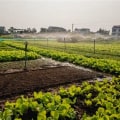
In recent years, the concept of sustainable farm systems has gained significant traction as a response to the environmental and social challenges posed by traditional agricultural practices. At its core, sustainable farming refers to agricultural methods that prioritize ecological balance, economic viability, and social equity. This holistic approach not only aims to produce food but also seeks to enhance the health of the ecosystem, ensuring that future generations can continue to benefit from the land's resources. The importance of sustainable agriculture cannot be overstated. As the global population continues to rise, the demand for food increases, putting immense pressure on existing agricultural systems.
Sustainable farm systems offer a pathway to meet this demand while minimizing negative impacts on the environment. By integrating practices such as crop rotation, organic farming, and agroforestry, these systems can improve soil health, reduce reliance on chemical inputs, and promote biodiversity. However, transitioning from conventional industrial farming to sustainable practices is not without its challenges. Large-scale industrial farms often face significant hurdles in adopting these new methods due to economic constraints, regulatory barriers, and a lack of knowledge or resources. Understanding these challenges is crucial for stakeholders aiming to promote sustainable practices in agriculture and ensure a resilient food system for the future.
Economic Challenges in Transitioning to Sustainable Practices
Transitioning to sustainable farm systems presents significant economic challenges for large-scale industrial farms.One of the primary hurdles is the initial investment costs associated with adopting new technologies and practices. These costs can include purchasing organic seeds, implementing crop rotation, and investing in renewable energy sources. For many farmers, especially those operating on thin margins, these upfront expenses can be daunting.Additionally, during the transition period, farms may experience a temporary loss of yield. Traditional farming methods often yield higher outputs in the short term, and shifting to sustainable practices can lead to reduced productivity as farmers learn new techniques and as soil health improves over time.
This dip in yield can significantly impact a farm's revenue, making it challenging to justify the switch to stakeholders and investors.Market competition also plays a crucial role in the economic landscape of sustainable farming. Large-scale industrial farms often compete with smaller, conventional farms that may not face the same sustainability pressures or costs. This competition can lead to price wars, where sustainable products are priced higher due to their production costs, making them less attractive to price-sensitive consumers.
- Initial Investment Costs: Upfront expenses for new technologies and practices.
- Temporary Loss of Yield: Reduced productivity during the transition period.
- Market Competition: Competing against conventional farms with lower prices.
Regulatory and Policy Barriers
The transition to sustainable farm systems for large-scale industrial farms is often obstructed by a complex web of regulatory challenges and existing agricultural policies.These barriers can significantly hinder the adoption of practices that promote environmental stewardship and long-term viability.One of the primary issues is the lack of cohesive government support for sustainable farms. Many existing policies favor traditional farming methods, which can discourage farmers from investing in sustainable practices. For instance, subsidies and financial incentives are frequently allocated to conventional crops, leaving little room for innovative approaches that prioritize sustainability.Additionally, the regulatory framework surrounding agricultural practices can be cumbersome. Compliance with various local, state, and federal regulations often requires significant resources and time, which can deter farmers from pursuing sustainable farming initiatives.
The complexity of these regulations can lead to confusion and uncertainty, making it challenging for farmers to navigate the transition.
- Inconsistent Regulations: Different states may have varying regulations regarding sustainable practices, leading to a patchwork of compliance requirements that complicate operations.
- Lack of Clear Guidelines: Many farmers find that there are insufficient guidelines on how to implement sustainable practices effectively within the existing regulatory framework.
- Market Access Issues: Regulatory barriers can also limit access to markets that prioritize sustainability, making it difficult for farmers to sell their products at competitive prices.
Technological Limitations and Innovations
Transitioning to sustainable farm systems presents significant technological challenges for large-scale industrial farms. These challenges often stem from the existing infrastructure, which may not be compatible with new sustainable practices.Below are some key technological limitations and innovations that play a crucial role in this transition.
- Legacy Systems: Many large farms rely on outdated machinery and software that are not designed for sustainable practices. Upgrading these systems can be costly and time-consuming, creating a barrier to adopting new technologies.
- Data Management: Sustainable farming often requires precise data collection and analysis to optimize resource use. However, many farms lack the necessary data management systems to track soil health, crop yields, and environmental impact effectively.
- Integration of New Technologies: Innovations such as precision agriculture, which utilizes GPS and IoT devices, can enhance sustainability. However, integrating these technologies into existing operations can be complex and requires training for farm personnel.
- Automation and Robotics: Automated systems can reduce labor costs and improve efficiency in planting, harvesting, and monitoring crops.
These technologies can also minimize chemical use by applying fertilizers and pesticides more precisely.
- Biotechnology: Advances in genetic engineering allow for the development of crop varieties that require fewer resources while being more resilient to pests and climate change. This innovation supports the goals of sustainable farm systems.
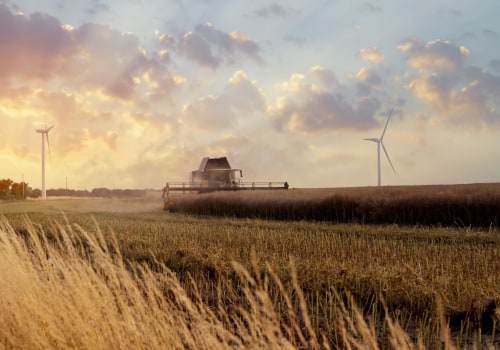
- Renewable Energy Solutions: Implementing solar panels or wind turbines can help farms reduce their carbon footprint and reliance on fossil fuels, aligning with sustainable practices.
Cultural and Social Resistance to Change
The transition to sustainable farm systems is often met with significant cultural challenges that can hinder progress. Many farmers have deep-rooted traditions and practices that have been passed down through generations.These established methods can create a sense of identity and belonging within farming communities, making it difficult for individuals to embrace new approaches.One major aspect of social resistance is the fear of the unknown. Farmers may be hesitant to adopt sustainable practices due to concerns about their effectiveness and profitability. This skepticism can be exacerbated by a lack of access to information or resources that demonstrate the benefits of sustainability. Additionally, if neighboring farms are not adopting similar practices, there may be a reluctance to change for fear of losing competitive advantage.
Farmer attitudes towards sustainability
can also be influenced by external pressures, such as market demands and government policies.
If local markets do not prioritize or reward sustainable products, farmers may feel less inclined to invest in sustainable farm systems. Furthermore, agricultural policies that favor conventional farming methods can reinforce existing practices and discourage innovation.Community dynamics play a crucial role in shaping attitudes towards sustainability. In some cases, farmers may face social stigma or isolation for attempting to implement new practices that deviate from the norm. This can create a cycle of resistance where the fear of social repercussions outweighs the potential benefits of transitioning to sustainable methods.To overcome these cultural and social barriers, it is essential to foster open dialogue within farming communities.
Education and outreach programs that highlight successful case studies of sustainable farming can help shift perceptions and encourage adoption. By addressing the underlying cultural factors and providing support, large-scale industrial farms can begin to navigate the complexities of transitioning to sustainable farm systems.
Environmental Impact Considerations
The transition to sustainable farm systems presents numerous environmental challenges that large-scale industrial farms must navigate. One of the most pressing issues is soil health. Intensive farming practices often lead to soil degradation, reducing its fertility and structure.This degradation can result in diminished crop yields and increased reliance on chemical fertilizers, which further exacerbates the problem. To combat this, farmers need to adopt practices such as crop rotation, cover cropping, and reduced tillage, all of which can enhance soil organic matter and promote a healthier ecosystem.Another significant concern is water usage. Large-scale farms typically consume vast amounts of water for irrigation, which can lead to depletion of local water resources. Transitioning to sustainable practices requires a shift towards more efficient irrigation techniques, such as drip irrigation or rainwater harvesting.
These methods not only conserve water but also reduce runoff and minimize the risk of water pollution from agricultural chemicals.
Biodiversity
is also a critical factor in the environmental impact of agriculture. Industrial farming often prioritizes monocultures, which can lead to a decline in local flora and fauna. This loss of biodiversity can disrupt ecosystems and make farms more vulnerable to pests and diseases. To foster biodiversity, farmers can implement agroecological practices that promote a variety of crops and integrate livestock into their systems.In summary, while transitioning to sustainable farm systems offers numerous benefits for the environment, it also presents significant challenges related to soil health, water usage, and biodiversity.Addressing these issues requires a comprehensive approach that balances productivity with ecological integrity.
Case Studies: Successful Transitions to Sustainable Farming
Transitioning to sustainable farm systems can be a daunting task for large-scale industrial farms, but several case studies illustrate that it is not only possible but also beneficial. Here are a few notable examples:1.The Rodale Institute
The Rodale Institute, located in Pennsylvania, has been a pioneer in organic farming research since the 1940s. Their transition to sustainable practices involved:- Crop rotation: Implementing diverse crop rotations to improve soil health and reduce pest pressures.
- Cover cropping: Using cover crops to prevent soil erosion and enhance nutrient cycling.
- Composting: Developing a robust composting system to recycle organic waste and enrich soil fertility.
2.White Oak Pastures
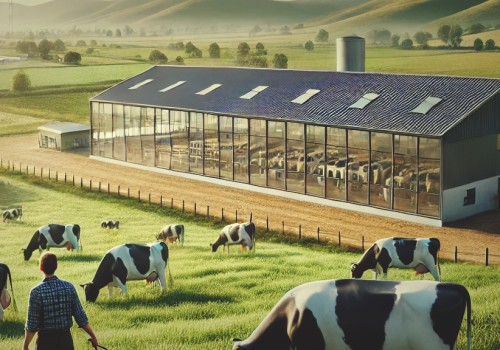
White Oak Pastures in Georgia is another exemplary case of successful transition. This farm shifted from conventional livestock farming to a holistic management approach that emphasizes:- Rotational grazing: Allowing livestock to graze in a controlled manner, which improves pasture health and reduces the need for chemical fertilizers.
- Diverse species integration: Raising multiple species of animals together to create a balanced ecosystem that enhances biodiversity.
- Local food systems: Focusing on direct-to-consumer sales to reduce carbon footprints and support local economies.
3.The Land Institute
The Land Institute in Kansas is at the forefront of developing perennial grain crops as an alternative to annual crops.Their strategies include:
- Perennial agriculture: Researching and cultivating crops that do not require annual tillage, thus preserving soil structure and reducing erosion.
- Agroecological practices: Implementing practices that mimic natural ecosystems to enhance resilience against pests and climate variability.
Future Trends in Sustainable Agriculture
The future of sustainable farming is poised to be shaped by a variety of innovative trends and technologies that address the challenges faced by large-scale industrial farms. As these farms transition to sustainable farm systems, several key areas are emerging as focal points for development.- Precision Agriculture: This technology utilizes data analytics, GPS, and IoT devices to optimize field-level management regarding crop farming. By applying resources more efficiently, farmers can reduce waste and enhance productivity while minimizing environmental impact.
- Regenerative Agriculture: This approach focuses on restoring soil health through practices such as cover cropping, crop rotation, and reduced tillage.
By improving soil biodiversity and carbon sequestration, regenerative agriculture not only enhances sustainability but also boosts resilience against climate change.
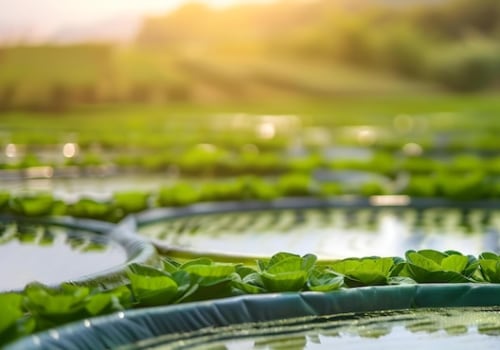
- Vertical Farming: As urbanization increases, vertical farming presents a solution for producing food in limited spaces. Utilizing controlled environments, this method reduces the need for pesticides and water while maximizing yield per square foot.
- Agroecology: Integrating ecological principles into agricultural practices can lead to more sustainable outcomes. Agroecology emphasizes biodiversity, local knowledge, and sustainable resource management, which can help large-scale farms adapt to changing environmental conditions.
- Biotechnology: Advances in genetic engineering and biotechnology can lead to the development of crops that are more resilient to pests and diseases, require fewer inputs, and can thrive in less-than-ideal conditions. This innovation can significantly reduce the environmental footprint of large-scale farming.
By embracing these innovations, farmers can not only improve their operational efficiency but also contribute positively to the environment and society at large.
Conclusion: The Path Forward for Large-Scale Farms
In conclusion, the transition of large-scale industrial farms to sustainable farm systems is fraught with challenges, yet it is a necessary journey for the future of agriculture. Throughout this article, we have explored various obstacles that these farms face, including economic pressures, regulatory hurdles, and the need for technological adaptation.One of the most significant challenges is the economic viability of sustainable practices. Many large-scale farms operate on thin profit margins, making it difficult to invest in new technologies or methods that may initially seem costly. However, as consumer demand for sustainably produced goods increases, there is a growing market incentive for these farms to adapt.Additionally, regulatory frameworks often lag behind innovative sustainable practices.Farmers may find themselves navigating a complex web of regulations that do not support or incentivize sustainable methods. Advocacy for policy changes that promote sustainability can help alleviate this burden and encourage more farms to make the transition.Moreover, the integration of advanced technologies, such as precision agriculture and regenerative practices, requires a shift in mindset and skill set. Training and education are crucial in equipping farmers with the knowledge needed to implement these systems effectively.Ultimately, overcoming these challenges is essential not only for the success of individual farms but also for the health of our planet. By embracing sustainable farm systems, large-scale farms can contribute to biodiversity, soil health, and reduced carbon emissions.
The path forward may be complex, but with collaboration among farmers, policymakers, and consumers, a more sustainable agricultural future is within reach.