Sustainable farm systems represent a holistic approach to agriculture that prioritizes environmental health, economic viability, and social equity. At its core, sustainable farming seeks to meet the needs of the present without compromising the ability of future generations to meet their own needs. This concept is increasingly vital in a world facing challenges such as climate change, soil degradation, and loss of biodiversity. By integrating practices that promote ecological balance, sustainable farm systems not only enhance productivity but also contribute to the resilience of agricultural landscapes. The definition of sustainable farming encompasses a variety of practices aimed at maintaining the health of ecosystems while producing food.
These practices include crop rotation, agroforestry, and organic farming, all designed to minimize environmental impact and promote biodiversity. The importance of sustainability in agriculture cannot be overstated; it ensures that farming can continue to provide food and resources for a growing population while preserving the planet's natural resources. As we delve deeper into the implications of monoculture within this framework, it becomes essential to understand how these single-crop systems can undermine the principles of sustainability. Monoculture may offer short-term gains in efficiency and yield, but it often leads to long-term ecological consequences that threaten the very foundations of sustainable farm systems. By exploring these dynamics, we can better appreciate the need for diverse agricultural practices that align with sustainability goals.
What is Monoculture?
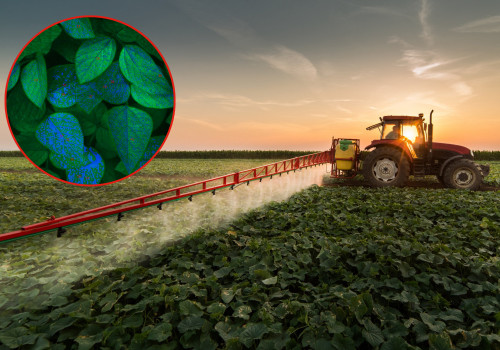
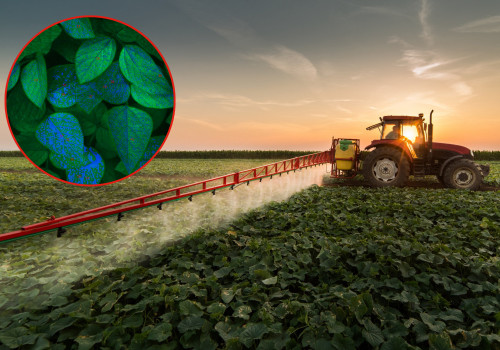
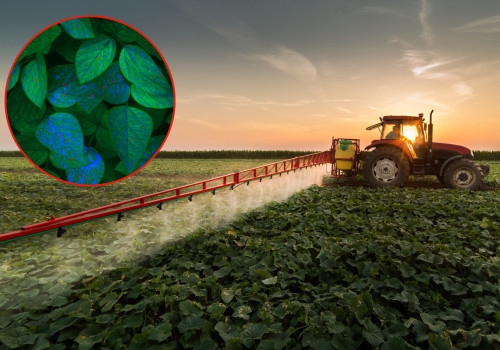
Monoculture refers to the agricultural practice of growing a single crop species over a wide area for consecutive seasons.This method is often employed to maximize efficiency and yield, particularly in large-scale farming operations. While monoculture can lead to short-term gains in productivity, it raises significant concerns regarding its long-term sustainability.
Monoculture farming practices
typically involve the use of specialized machinery and techniques tailored to a specific crop. Farmers may utilize high-yield varieties, synthetic fertilizers, and pesticides to enhance production. This streamlined approach can simplify planting and harvesting processes, making it appealing for large-scale agricultural enterprises.Advantages of Monoculture
- Increased Efficiency: Monoculture allows farmers to focus their resources on a single crop, leading to improved management practices and potentially higher yields.
- Simplified Crop Management: With only one type of crop to manage, farmers can streamline their operations, reducing labor costs and time spent on diverse agricultural practices.
- Economies of Scale: Large-scale production can lower costs per unit, making it economically viable for farmers to invest in advanced technologies and inputs.
Disadvantages of Monoculture
- Soil Degradation: Continuous planting of the same crop can deplete soil nutrients, leading to reduced fertility and increased reliance on chemical fertilizers.
- Pest and Disease Vulnerability: A lack of biodiversity makes monoculture systems more susceptible to pests and diseases, which can spread rapidly through uniform crops.
- Environmental Impact: The heavy use of pesticides and fertilizers associated with monoculture can lead to soil and water pollution, negatively affecting local ecosystems.
The reliance on a single crop can undermine soil health, increase vulnerability to pests, and contribute to environmental degradation, raising questions about the long-term viability of this farming practice in the context of sustainability.
The Relationship Between Monoculture and Sustainable Farm Systems
The practice of monoculture, which involves cultivating a single crop over a wide area, has significant implications for sustainable farm systems. While it can lead to short-term gains in efficiency and yield, the long-term effects often undermine sustainability.One of the primary concerns with monoculture is its impact on soil health. Continuous planting of the same crop depletes specific nutrients from the soil, leading to a decline in soil fertility. This necessitates increased use of chemical fertilizers, which can further degrade soil quality and contribute to water pollution.In contrast, polyculture, which involves growing multiple crops in the same space, promotes biodiversity and enhances soil health by allowing different plants to contribute various nutrients back into the soil.Moreover, monoculture systems are more susceptible to pests and diseases. When a single crop is planted extensively, it creates an ideal environment for pests that target that specific plant. This often results in increased pesticide use, which can harm beneficial insects and disrupt local ecosystems. On the other hand, polyculture can naturally deter pests through a diverse array of plants that attract beneficial organisms.In terms of resilience, sustainable agriculture practices favor diversity.
A diverse cropping system can better withstand environmental stresses such as droughts or floods. By spreading risk across multiple crops, farmers can maintain productivity even when one crop fails.In summary, while monoculture may offer immediate benefits in terms of yield and efficiency, its long-term impact on sustainable farm systems is detrimental. The shift towards polyculture not only supports soil health and biodiversity but also enhances resilience against environmental challenges, making it a more sustainable choice for future farming practices.
Environmental Impacts of Monoculture
The practice of monoculture, where a single crop species is cultivated over a large area, poses significant environmental impacts that can undermine the principles of sustainable farm systems. One of the most pressing issues is soil health.Continuous planting of the same crop depletes specific nutrients from the soil, leading to nutrient imbalances. This degradation can result in reduced soil fertility, making it increasingly difficult for farmers to maintain productive yields without resorting to synthetic fertilizers.Moreover, monoculture contributes to biodiversity loss. Diverse ecosystems are crucial for maintaining ecological balance, and when a single crop dominates the landscape, it displaces native flora and fauna. This loss of biodiversity can disrupt local food webs and diminish the resilience of agricultural systems to pests and diseases.
For instance, a lack of diverse plant species can lead to an increase in pest populations that thrive on the monoculture crop, creating a cycle of dependency on chemical interventions.Increased reliance on pesticides is another significant consequence of monoculture. Farmers often resort to chemical treatments to combat pests that target their single crop variety. This not only raises production costs but also poses risks to human health and the environment. The runoff from these pesticides can contaminate nearby water sources, affecting aquatic life and potentially entering the human food chain.In summary, while monoculture may offer short-term economic benefits, its long-term environmental effects can severely compromise the sustainability of farm systems.
Addressing these challenges requires a shift towards more diverse cropping practices that enhance soil health, promote biodiversity, and reduce chemical inputs.
Economic Implications of Monoculture in Sustainable Farming
The economic implications of monoculture in sustainable farm systems are multifaceted, influencing profitability, market trends, and long-term viability. While monoculture can offer short-term financial benefits, it often comes with hidden costs that can undermine the sustainability of farming practices.One of the primary economic advantages of monoculture is its potential for cost-effectiveness. By focusing on a single crop, farmers can streamline operations, reduce labor costs, and achieve economies of scale. This specialization allows for more efficient use of resources such as fertilizers and pesticides, which can lead to higher yields and increased revenue in the short term.However, the reliance on a single crop can also expose farmers to significant risks.Market fluctuations can drastically affect prices, and if a crop fails due to disease or adverse weather conditions, the financial repercussions can be devastating. This vulnerability highlights the importance of diversifying crops within sustainable farm systems to mitigate risks and ensure stable income.
- Market Trends: The demand for diverse agricultural products is growing as consumers become more health-conscious and environmentally aware. Farmers who engage in monoculture may find themselves at a disadvantage as market preferences shift towards organic and diverse produce.
- Long-term Viability: Sustainable farming practices emphasize resilience and adaptability. Monoculture can lead to soil degradation and reduced biodiversity, ultimately compromising the long-term productivity of the land.
Balancing short-term profitability with ecological health is crucial for the future of agriculture.
Case Studies: Monoculture vs. Sustainable Practices
To understand the impact of monoculture on sustainable farm systems, examining real-world case studies provides valuable insights. These examples highlight the contrasting outcomes of monoculture practices versus more sustainable approaches.Case Study 1: Corn Monoculture in the Midwest
In the Midwest United States, extensive corn monoculture has been prevalent for decades. Farmers have relied heavily on this single crop due to its high yield and profitability.However, this practice has led to significant soil degradation, increased pest resistance, and a decline in biodiversity. A study conducted by the USDA found that fields planted with corn alone showed a 30% decrease in soil organic matter over a ten-year period. This decline not only affects crop yields but also contributes to greater reliance on chemical fertilizers and pesticides, further undermining sustainable farm systems.
Case Study 2: Agroecological Practices in Brazil
In contrast, a successful case study from Brazil showcases the benefits of agroecological practices. Farmers in the Brazilian Amazon have shifted from monoculture soybeans to diversified cropping systems that include legumes, fruits, and vegetables.This transition has resulted in improved soil health, increased resilience to climate change, and enhanced local biodiversity. According to research published by FAO, these farms not only produce higher yields but also contribute to local food security and community well-being.
Lessons Learned
- Diversity is Key: Incorporating multiple crops can enhance soil health and reduce pest outbreaks.
- Long-term Sustainability: Sustainable practices lead to better economic stability for farmers over time.
- Community Impact: Sustainable farms often support local economies and improve food access.
Future Trends in Sustainable Farming: Moving Beyond Monoculture
The future of sustainable farm systems is increasingly leaning towards practices that move away from traditional monoculture. As the agricultural sector faces challenges such as climate change, soil degradation, and biodiversity loss, innovative farming techniques are emerging to promote resilience and sustainability.One promising alternative to monoculture is crop rotation.This method involves alternating the types of crops grown in a particular area across seasons. By doing so, farmers can improve soil health, reduce pest populations, and enhance nutrient cycling. For instance, planting legumes in rotation with cereals can naturally replenish nitrogen levels in the soil, reducing the need for synthetic fertilizers.Another innovative approach is intercropping, where two or more crops are grown simultaneously in the same field. This practice not only maximizes land use but also promotes biodiversity.
For example, pairing corn with beans allows the beans to climb the corn stalks while benefiting from the shade and moisture retention provided by the taller plants.
Agroforestry
is also gaining traction as a sustainable farming practice. By integrating trees and shrubs into crop and livestock systems, farmers can create more diverse ecosystems that enhance productivity and resilience. The presence of trees can improve soil structure, reduce erosion, and provide habitats for beneficial wildlife.Moreover, advancements in technology are paving the way for more efficient farming practices. Precision agriculture utilizes data analytics and IoT devices to optimize resource use, monitor crop health, and minimize waste.This technology enables farmers to make informed decisions that align with sustainable practices while maintaining productivity.As we look towards the future of sustainable farming, it is clear that moving beyond monoculture is essential for creating resilient agricultural systems. By embracing diverse cropping strategies and innovative technologies, farmers can contribute to a more sustainable food system that benefits both the environment and society.
FAQs About Monoculture and Sustainable Farm Systems
Understanding the relationship between monoculture and sustainable farm systems is crucial for farmers, policymakers, and consumers alike. Here are some frequently asked questions that clarify common misconceptions:- What is monoculture? Monoculture refers to the agricultural practice of growing a single crop species over a wide area for consecutive seasons. While it can lead to short-term gains in productivity, it often undermines long-term sustainability.
- How does monoculture affect soil health? Continuous planting of the same crop can deplete specific nutrients from the soil, leading to reduced fertility and increased reliance on chemical fertilizers.
This practice can ultimately harm the ecosystem and reduce the resilience of sustainable farm systems.
- Can monoculture be sustainable? While some argue that monoculture can be managed sustainably through advanced techniques, such as precision agriculture, it generally poses significant risks to biodiversity and ecological balance, which are essential components of true sustainability.
- What are the alternatives to monoculture? Crop rotation, polyculture, and agroforestry are effective alternatives that promote biodiversity and enhance soil health. These practices align more closely with the principles of sustainable farming, fostering resilience against pests and diseases.
- Are there economic benefits to monoculture? Yes, monoculture can lead to economies of scale and lower production costs in the short term. However, these benefits may be offset by long-term environmental degradation and increased vulnerability to market fluctuations.